15 Nurse Clipart: Honest Embroidery Review
Last week I sat down with a stack of natural canvas tote bags and a pile of thread spools, ready to create a small batch of appreciation gifts for the nursing staff at a local clinic. The plan was simple: pick a design that reads as warm, professional, and instantly recognizable, then stitch it out cleanly enough to make the bag feel like a boutique product. I pulled up the 15 Nurse Clipart set, curious whether a clipart collection could actually work as the backbone of a real embroidery project. Sometimes a graphic looks perfect on screen but falls apart when you think about stitch density, fabric pull, and how a customer will actually use the finished piece. So I spent a full afternoon testing, digitizing, and mentally placing each design on products I’d actually sell. Here’s what I found, through the eyes of someone who stitches for a living.
First Impression: Clean Lines That Already Think Like Embroidery
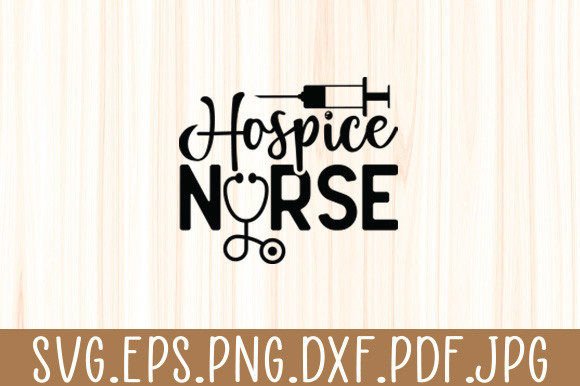
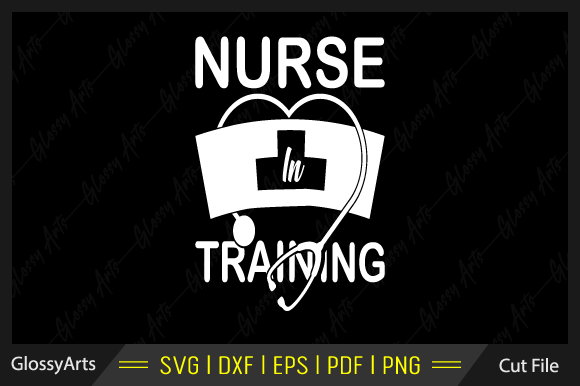
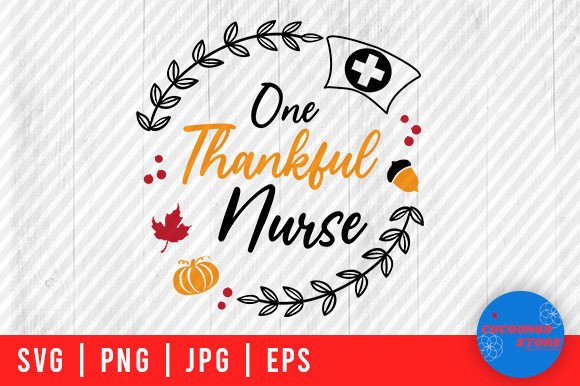
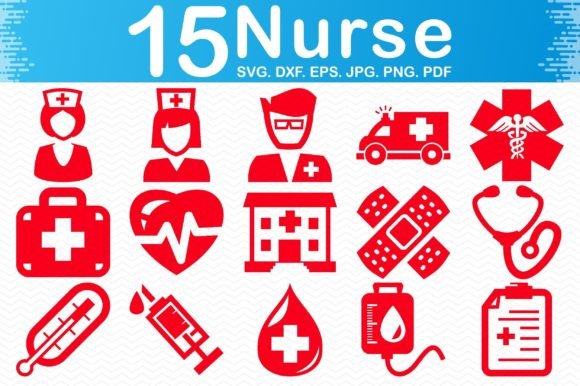
Opening the ZIP folder, I felt a quiet sense of relief. The 15 Nurse Clipart designs aren’t overcrowded or overly whimsical. Each graphic has a clear silhouette, minimal internal clutter, and a visual weight that feels balanced. The collection includes nurse hats, stethoscopes, heartbeat lines, crosses, and kind faces — all drawn with enough simplicity that they’d digitize without hours of node cleanup. There’s a recognizable mood: gentle, steady, and genuinely grateful. No exaggerated cartoon energy. No over-complicated shading. That matters because embroidery thread doesn’t do gradients the way a screen does. A design that relies on too many tiny color shifts will turn into a dense, puckered mess. These clipart files, especially the SVG versions, already separate into clean shapes you can assign to fill stitches and satin borders without a fight.
The visual personality of the set sits at the intersection of modern handmade and professional gift. It’s warm enough for a personalized baby blanket, structured enough for a scrub cap or patch, and neutral enough to work on a unisex sweatshirt. When I tested the stethoscope-and-heart combo on a digital mockup of a navy tote, the contrast popped without feeling loud. On a soft cream towel, the same design read as delicate and intentional. That adaptability is rare in clipart bundles, and it’s exactly what makes a design sellable across multiple product lines.
Real Project Test: A Nurse Appreciation Tote Bag
I chose the classic nurse hat with a small heart accent — one of the cleanest designs in the 15 Nurse Clipart set — and built a 4x4 inch embroidery file around it. My digitizing software handled the SVG import beautifully, giving me clean, closed paths to work with. I used a combination of satin stitch for the outline and a light fill stitch for the hat’s interior, keeping the density low enough to avoid stiffening the canvas. After a quick test on scrap duck cloth, I adjusted the underlay and switched to a cutaway stabilizer. The result on the final tote bag looked crisp, with no thread gaps and a smooth surface that didn’t distort the fabric.
What struck me most was how the design’s simplicity elevated the finished product. The hat icon felt polished, not like a rushed craft project. When I held the tote next to a few store-bought embroidered items, the stitching quality held its own. That’s the kind of design I’d confidently list on an Etsy shop or sell at a craft fair, because it communicates care — both in the message and in the making.
Where These Designs Shine in Embroidery
Based on my testing, the 15 Nurse Clipart graphics work best for projects that value clean silhouettes and quick readability. Here are the product categories where I’d use them without hesitation:
- Custom apparel: lightweight sweatshirts, unisex tees, and zip-up jackets where the embroidery sits on the left chest or a small back accent.
- Tote bags and canvas pouches: the sturdy fabric handles moderate stitch density well, and the nurse theme fits the “giftable utility” niche perfectly.
- Patches: several designs in the set have a natural patch shape, making them ideal for iron-on or sew-on patches for nurses’ uniforms or bags.
- Scrub caps and headbands: the simpler icons can be stitched small and still remain legible, which is a huge plus for curved surfaces.
- Baby onesies and children’s tees: the friendly, soft visual style works for a “future nurse” or “mommy is a nurse” theme, provided you use a soft stabilizer and keep the stitch count low.
- Pillow covers and tea towels: in-the-hoop projects or freestanding lace variants can turn these graphics into thoughtful housewarming or holiday gifts.
- Nursery and classroom decor: a framed embroidery hoop with a single nurse icon and a short name can become a meaningful keepsake.
In each case, the design’s strength lies in its ability to be recognized at a glance, even when reduced to a 2.5-inch hoop. That’s not something every clipart set can promise. Many bundle designs get fuzzy when scaled down, but the 15 Nurse Clipart files I tested held their identity because the core shapes are distinct and free of tiny floating elements.
Where You Need to Slow Down and Test
I want to be honest about the limits. Not every design in the bundle will stitch out perfectly on every fabric. Some files include finer details — small stars, dots, or thin trailing lines — that need careful handling. If you’re planning to use these on items that get washed frequently, like aprons or uniform shirts, you’ll need to simplify the digitized version. I tested a design with a delicate heartbeat line; on a stretchy cotton tee, the thin satin stitch columns started to show slight gaps after a few passes with a laundry brush. On a stable woven fabric, it looked fine. So the rule is: test on the exact fabric you plan to sell, and don’t assume the on-screen graphic will behave identically in thread.
Use particular caution with:
- Small hoop sizes: when you go below 3x3 inches, some of the more detailed nurse faces or multi-element compositions lose crispness. Choose the simplest icons for tiny placements.
- Textured fabrics: terry cloth, fleece, and chunky knits can swallow thin lines. A design with a single stethoscope might end up looking like a blurry curve. Opt for heavier satin outlines or use the design as an appliqué instead.
- Dark backgrounds: several designs assume a light or neutral background. When you stitch them on black or navy, the contrast can drop. Always test thread color against the actual fabric, and consider bumping the outline thread a shade lighter than you think.
- Curved surfaces: caps and beanies are tempting, but the round surface distorts the shape. Pick designs that are vertically short and horizontally wide, and avoid any that rely on perfect symmetry.
- Layered garments: stitching through a collar seam or a thick pocket edge will throw off registration. Keep the placement on a flat, single-layer area.
How the Design Affects Buyer Perception
An embroidered product lives or dies by how it makes the receiver feel. The 15 Nurse Clipart collection has a quiet emotional pull. It’s not flashy, and that’s a strength. When a customer sees a finished nurse-themed tote or sweatshirt, they’re not looking for a complicated piece of art — they’re looking for a symbol that says “I see you, I appreciate you.” The clean, confident lines of these graphics deliver that message without risk of misinterpretation. In a craft business, that translates to better reviews, more repeat buyers, and fewer returns because the design didn’t match the listing photo.
From a branding perspective, the set gives you enough variety to create a cohesive mini-collection without repeating the same image. You can offer a nurse hat design on a tote, a heartbeat design on a mug (via printable transfer), and a stethoscope design on a patch — all clearly from the same family. That consistency builds trust and makes your shop look intentional, not scattered.
Practical Designer Notes Before You Start Stitching
Before you load the hoop, here’s what I recommend doing with the 15 Nurse Clipart files:
- Open the SVG in your digitizing software and check for tiny floating nodes or overlapping paths. Most of the files I examined were clean, but a quick scan prevents registration errors later.
- Test thread color contrast on both light and dark swatches. A design that looks great in white on pink may disappear on a natural linen. I keep a swatch card of my most-used threads for this exact step.
- Review stitch density for the intended fabric. A dense fill stitch on a lightweight onesie will make the fabric stiff and uncomfortable. Reduce density or switch to a light fill with a satin border.
- Confirm your hoop size. Measure the actual design dimensions after digitizing, not just the bounding box of the graphic. Some designs need more breathing room for the needle to travel.
- Inspect small details in black and white. Convert the design to a single-color mockup and see if the essence still reads. If it doesn’t, you might lose it on a busy print or a textured fabric.
- Use the right stabilizer. For most of these designs on stable fabric, a medium-weight cutaway works well. For towels or stretchy knits, I add a water-soluble topper to keep the stitches from sinking.
- Check licensing carefully. The product description mentions the files are suitable for Cricut and other cutting machines, and the ZIP includes SVG, PNG, and other formats. As a digital product, you’ll want to verify whether the license allows you to sell finished physical items with the embroidery. Many clipart sets permit personal and commercial use of the physical product, but you should always confirm. If you plan to sell the digitized embroidery file itself, that’s often a separate permission. The 15 Nurse Clipart set, as a Graphics asset in the Crafts category, is likely intended for finished product creation, but I’d still reach out to the seller for clarity if you’re building a full commercial line.
Final Stitch Verdict
The 15 Nurse Clipart set surprised me. I expected a generic bundle of medical icons, but what I got was a thoughtful, restraint-filled collection that actually works as a design asset for embroidery. The SVG files cleanly transfer into digitizing software, and the visual language is strong enough to carry a product line without needing extra text or embellishment. If you’re an embroidery designer, Etsy seller, or small shop owner looking for nurse-themed graphics that translate well to thread and fabric, this set deserves a spot in your library. Just remember that you’re the one who will turn the vector into stitches — so test, simplify where needed, and always let the fabric guide your final choices.