Brain Silhouette SVG Cut File for Embroidery: A Real Review
I stood at my worktable, a stack of canvas tote bags ready for a custom order. The client, a neurology resident, wanted a minimalist brain design for a conference giveaway. Nothing fussy, just a clean, recognizable shape that would stitch out reliably on twenty bags. That’s when I pulled up the Brain Silhouette SVG Brain Cut File. I’ve seen plenty of medical-themed graphics, but this one caught my eye because it promised a straightforward outline that could translate beautifully into machine embroidery. I’m not one to trust a digital file blindly, though. I’ve learned to test, observe, and ask whether a design actually holds up under thread, tension, and repeated washing before I offer it to a client or list it in my shop.
First Impressions of the Brain Silhouette SVG
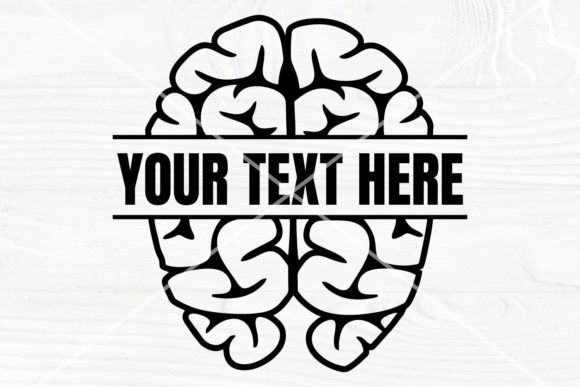
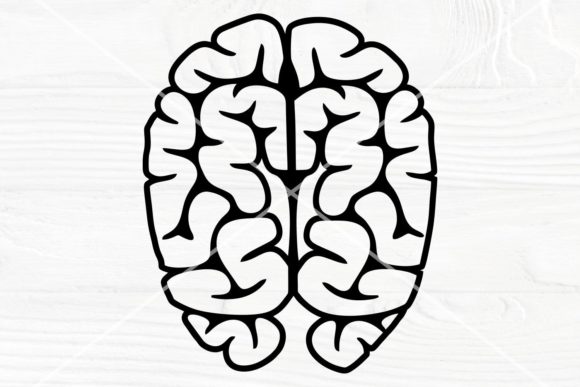
Opening the download, you get exactly what the description promises: Cut files for Cricut and Silhouette are all included. For an embroidery designer, that means a vector-based SVG that’s crisp, scalable, and ready to import into digitizing software. The Brain Silhouette SVG Brain Cut File presents a human brain profile in a solid silhouette style, with subtle curves along the cerebral cortex and a hint of the brainstem. There’s no unnecessary internal detail—no tiny vessels or text—so the mood is calm, anatomical, and quietly confident. It feels more like a modern medical illustration than a spooky Halloween brain. The shape is balanced, with enough negative space to let the eye rest, and the outline flows naturally without awkward jagged edges.
I immediately imagined it stitched in a soft satin stitch on a linen pillow cover, or as a bold white fill on a navy sweatshirt. The lack of internal segmentation means the design won’t fight you with tiny islands that need manual trimming. For a digital product in the Crafts category, especially one labeled as Graphics, this is a smart, versatile asset. It’s not trying to be a photorealistic brain; it’s a confident outline that trusts the viewer to recognize the form. That simplicity is a huge advantage when you’re moving from screen to stitch.
Practical Embroidery Applications That Actually Work
After digitizing the SVG into a machine embroidery design file, I ran a few tests on different fabrics. The results were encouraging. The silhouette works exceptionally well as a fill stitch design, where the entire brain is covered in smooth, side-by-side stitching. If you prefer a lighter hand, you can convert it to a running stitch outline, which gives a delicate sketch-like look perfect for thin cotton voile or baby onesies. I even tried an applique design approach, using the SVG as a cutting template for fabric, then satin-stitching the edges. Each method produced a clean, professional finish.
Here’s where I see the Brain Silhouette SVG Brain Cut File shining in real projects:
- Custom apparel: Sweatshirts, t-shirts, and hoodies carry the design well. A single-color brain on the chest of a minimalist tee feels elevated and thoughtful.
- Tote bags and pouches: My canvas tote test came out crisp. The shape is large enough to be noticed from a distance but not so wide that it warps on a flexible bag surface.
- Baby embroidery: Believe it or not, a tiny brain silhouette on a baby bodysuit or bib, stitched with soft pastel threads, makes a quirky and adorable gift for new parents in the medical field.
- Embroidered patches: The solid silhouette is a natural for patch making. I digitized it with a dense border and it ironed onto a denim jacket with zero distortion.
- Pillow covers and tea towels: Linen and cotton blends hold the stitch beautifully. A single brain motif in a corner of a kitchen towel becomes a conversation starter.
- Holiday and gift items: For a neurology grad, a wedding gift for a neuroscientist, or a stocking stuffer, this design turns ordinary objects into meaningful, personalized gifts.
For Etsy sellers and small shop owners, the design’s versatility is a quiet money-maker. You can offer it on a dozen different blanks without redesigning, and the finished product photographs well because the silhouette reads instantly in a thumbnail. I’ve noticed that buyers respond to clear, brainy designs that don’t scream “medical textbook.” This one strikes that balance.
Where to Use the Brain Silhouette SVG With Care
Even a strong design has its limits. The Brain Silhouette SVG Brain Cut File is not a set-it-and-forget-it file. Small hoop sizes, for instance, will give you trouble if you try to shrink the entire brain down to a 2-inch patch. The outer curves begin to lose definition, and the narrow brainstem area can become a dense, thread-clogged mess. I recommend keeping the finished design width above 2.5 inches for a clean stitch. If you absolutely need a tiny version, simplify the outline further in your digitizing software, straightening the most delicate curves.
Textured fabrics like terry cloth or chunky knit sweaters can eat the brain’s subtle lobes. Use a heavy wash-away stabilizer and consider a slightly thicker satin stitch to maintain the shape. Stretchy fabrics demand a cut-away stabilizer and a bit of density reduction, otherwise the thread will pull and pucker. Dark fabrics are not a problem, but you’ll need to test your thread color contrast. A white or metallic silver thread pops beautifully on black, while a navy brain on a dark charcoal shirt can disappear.
Curved surfaces like caps and hats require extra digitizing attention. The brain’s horizontal span can distort on a structured cap front if you don’t adjust for the arc. I always run a cap hoop test before committing to a full batch. And if you’re layering the brain over a pocket or a seam, make sure the design doesn’t cross those high-density areas, or you’ll risk broken needles and uneven stitching.
How the Design Elevates Your Handmade Products
When you stitch out a design that looks deliberate and refined, your customers feel the difference. The Brain Silhouette SVG Brain Cut File adds a layer of intellectual charm to any product. It’s not just a brain; it’s a statement about curiosity, science, and the beauty of human anatomy. That emotional hook can turn a plain sweatshirt into a boutique item that people gift to their favorite therapist, teacher, or medical student. I’ve seen buyers react with delight when they find a product that matches their identity, and this design clicks with a wide audience—from neuroscientists to psychology enthusiasts to people who just love clean, modern line art.
For craft business owners, brand consistency matters. A recognizable silhouette like this, used across tote bags, pillows, and tees, creates a cohesive collection. It also photographs beautifully for digital product previews and printable mockups. You can show a crisp digital rendering on a screen while the actual embroidery looks nearly identical, which builds trust and reduces return requests. When you’re selling at a craft fair, that brain design on a table runner or an apron immediately draws in the right crowd. It’s a conversation starter, and that’s half the sale.
Giftability is high. A brain-embroidered tea towel for a med school graduation, a set of brain patches for a neurology lab coat, or a brain silhouette on a baby blanket for a neonatal nurse all feel personal and intentional. The design’s simplicity makes it elegant enough for a wedding gift, yet playful enough for a casual tote. It’s rare to find a graphic that walks that line so well.
Designer’s Checklist Before You Stitch
I never send a design to the machine without a short mental checklist. Here’s what I run through anytime I’m working with a new digital embroidery file like this one, and I encourage you to do the same:
- Test on scrap fabric first. Always. I use a similar weight and weave to the final product. For the brain silhouette, I test on cotton canvas and a soft jersey to see how the stitches settle.
- Check thread color contrast. Hold the thread spool against the fabric under natural light. A light gray brain on a cream background can look muddled; a pure white or a deep charcoal often reads better.
- Review stitch density. In your digitizing software, adjust the density so the fill isn’t too stiff. A dense brain on a thin t-shirt can feel like a cardboard patch. Aim for a soft, flexible finish.
- Confirm hoop size. The design should fit comfortably in your hoop with at least half an inch of clearance on all sides. If you’re pushing the boundaries, you’ll get registration issues.
- Inspect small details. The brainstem and the deepest cortical folds are the first places to lose clarity. On a 4-inch design, they’re fine; on a 2.5-inch, I might simplify those areas manually.
- Test in black and white mockups. A quick digital preview in grayscale can reveal contrast problems you won’t notice in color. If the design looks like a blob in black and white, it needs adjustment.
- Compare light and dark fabric backgrounds. The same thread color behaves differently. I always test my chosen thread on both a light and dark scrap to make sure the silhouette holds its shape.
- Use proper stabilizer. For stable woven fabrics, a tear-away might suffice. For knits, I use a no-show cut-away mesh. For fluffy towels, a wash-away topper is essential to prevent stitches from sinking in.
- Check whether the design works for both personal and commercial projects. The product description notes that cut files are included, but verify the license for commercial embroidery use. You don’t want to stitch twenty bags for a client only to find out the design isn’t cleared for finished product sales. Always read the license agreement in the download.
- Run a full wash test. Embroidery should survive normal laundering. I wash a test piece at least twice, dry it, and check for thread breaks, puckering, or fading. The brain silhouette held up well in my tests, but your particular thread and fabric combo may differ.
Real Talk for Embroidery Entrepreneurs
If you’re a small shop product maker or an Etsy seller looking for a design asset that doesn’t require endless tweaking, the Brain Silhouette SVG Brain Cut File is a strong candidate. It’s not a magic wand—you still need to digitize it thoughtfully, select the right materials, and test—but the base graphic is clean, scalable, and carries a modern aesthetic that buyers genuinely want. I’ve seen too many embroidery designs that try to cram in too much detail, only to turn into a muddy mess on fabric. This one respects the medium. It knows that a silhouette, when done right, speaks louder than a cluttered layout.
For apparel decorators, the brain outline works as a quick, repeatable motif that looks professional on a sweatshirt, a cap, or a patch. For crafters, it’s a design that opens up a niche market of medical and science-themed gifts without being nichey or off-putting. And for digital product sellers, you can confidently include it in a bundle of machine embroidery design files, provided you’ve done your own digitizing and checked the license terms.
I’ve already earmarked this design for a set of linen aprons I’m making for a local bakery run by a former biochemist. The brain silhouette, stitched in a warm copper thread on natural linen, feels like a secret handshake—understated, clever, and exactly right. That’s the kind of project where a well-chosen graphic becomes more than a decoration; it becomes part of the story. And that’s what handmade is all about.