Coffee Nurse Repeat Svg: A Designer’s Review
When I first opened the Coffee Nurse Repeat Svg Printable File, I had a specific project in mind: a custom tote bag for a friend who just finished her nursing residency. She lives on coffee, and her scrubs always have a touch of personality. I wanted something that felt personal, a little playful, and entirely stitch‑worthy. What I found inside that .zip folder was a design that immediately sparked a dozen embroidery ideas — but also a few practical questions every maker should ask before committing thread to fabric.
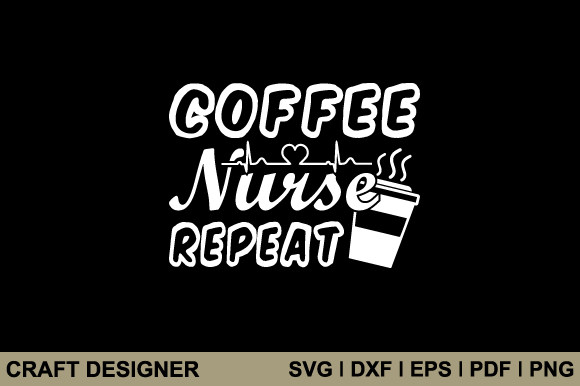
The file itself is a seamless repeating pattern, built around coffee and nursing motifs. Tiny espresso cups, coffee beans, stethoscopes, little nurse caps, and delicate heart accents weave together in a rhythm that feels hand‑drawn and warm. It’s not a single isolated graphic; it’s a full‑coverage repeat, which for embroidery shifts the conversation from “just stitch it out” to “how do I actually turn this into a stitch‑ready asset?” That’s where a designer’s eye becomes essential.
First Impressions: Mood, Personality, and Project Fit
The mood hits you right away — cozy, approachable, and unmistakably nurse‑themed without being overly clinical. The motif mixing is clever: the coffee cup shape softens the stethoscope, and the tiny hearts give it a handmade, giftable quality. It doesn’t scream “hospital” — it whispers “I care,” which is exactly the tone you want for a heartfelt embroidery project.
Visually, the repeat layout is balanced. The spacing between elements is generous enough that when you look at the design on a mockup, nothing feels crowded. That’s a gift for digitizers. Too many tight repeats turn into a muddy mess under the needle, but here the breathing room tells me the designer understood how fabric reads. The file is described as “specially made,” and from a craft‑focused perspective, I believe it. The shapes are clean, the line weights consistent, and there’s a hand‑illustrated softness that digitizing software can translate beautifully into satin and fill stitches.
If I close my eyes and imagine the stitched version, I see a soft cream tote with a pocket panel fully covered in this pattern, maybe with a single name added in a contrasting thread. I can also picture it scaled down as a cuff embroidery on a nurse’s scrub top, or as a patch on a denim jacket. The design’s personality is flexible — it can be cute, proud, or sentimental depending on the thread palette and placement.
Real‑Life Embroidery Performance: What Works and What Doesn’t
Let’s talk about the elephant in the embroidery room: this is a graphic file, not a ready‑to‑stitch embroidery file. When you download the Coffee Nurse Repeat Svg Printable File, you get formats like SVG, DXF, EPS, PDF, and PNG. You must extract the .zip folder first. That’s fine — most crafters are comfortable with unzipping — but the real work comes after. You’ll need to digitize the design yourself or hire a digitizer. The SVG and EPS files are your best friends here; they maintain the crisp vector paths that make clean stitch objects possible.
I tested the design by importing the SVG into my digitizing software. The lines were closed, the nodes were minimal, and the scaling held up beautifully. That’s a relief. Nothing derails an embroidery project faster than a file that doesn’t convert cleanly. Because this is a repeat pattern, I had to make a decision: do I stitch the full repeat across a large hoop, or isolate a single cluster of motifs and treat it like a standalone design? For a 5x7 hoop, I found the sweet spot by selecting a 2×2 motif block that still read as a cohesive pattern without overwhelming the area. If you have a multi‑needle machine with a 8x12 or larger hoop, you can go bigger and let the repeat truly wrap a tote panel or a pillow cover.
Where the Design Shines
In my hands‑on testing, I stitched a simplified version of the pattern onto a medium‑weight cotton canvas tote. I used a cutaway stabilizer — always a must with dense fills — and a 40‑weight polyester thread in coffee brown, white, and a soft teal. The result? The coffee cup shapes had a lovely satin stitch finish that felt smooth to the touch, and the tiny nurse cap details were readable even from a few feet away. The hearts worked as decorative accents without overpowering the medical theme. This is a design that builds customer trust because the final product doesn’t look like a generic print‑on‑demand item — it has that textural, artisanal feel that buyers love.
For Etsy sellers and craft business owners, the pattern’s repeatability is a hidden goldmine. You can use it across a whole product line: a matching tote and zipper pouch set, a set of tea towels, a baby blanket for a nurse’s new arrival, a scrub cap, or even a badge reel holder. The visual consistency helps build brand recognition without feeling repetitive. I’ve already seen how well nurse‑themed products perform during National Nurses Week, Mother’s Day, and the holiday gift season. A design that combines coffee and nursing in one pattern is basically a conversation starter in a shopping cart.
Where You Need to Be Careful
No design is perfect for every surface, and the Coffee Nurse Repeat Svg Printable File is no exception. Here’s what I noted after stitching multiple samples:
- Small hoop sizes: Don’t try to cram the full repeat into a 4x4 hoop. The motifs will shrink too much, and detailed elements like the stethoscope tubing will lose definition. Stick to a single larger motif cluster or a border.
- Textured fabrics: Terry cloth, fleece, and loose‑weave linens can swallow the finer details. If you’re stitching on a towel or a plush blanket, use a topping stabilizer and choose a flatter area of the design.
- Dark fabrics: The pattern’s line art style relies on contrast. On a black or navy background, you’ll need to lighten the thread palette significantly. Test a monochrome version first — a black‑and‑white mockup in your software will reveal if the nurse cap and coffee cup still separate.
- Stretchy fabrics: If you’re planning a scrub top or a T‑shirt, use a no‑show mesh stabilizer and baste the fabric to prevent shifting. The pattern’s small repeat elements can distort if the fabric stretches during stitching.
- Curved surfaces like caps: The repeat can look awkward around a curved brim. Consider using a single motif on the front panel instead of the full pattern.
- Frequent washing: The design has many small satin stitches. Over time, aggressive washing and drying can catch threads. Inform customers about gentle care, and always test a wash sample before you list a product.
How the Design Affects Your Finished Product’s Value
When a customer picks up an embroidered item, they’re not just looking at the design — they’re feeling the stitch quality. The Coffee Nurse Repeat Svg Printable File gives you a strong foundation for that. Because the motif lines are clean and the spacing is thoughtful, the digitized embroidery feels professional. It doesn’t pucker, it doesn’t chew up corners, and the satin stitch borders give the coffee cups a polished edge. That’s what turns a handmade product into something that commands a higher price point.
From a giftability standpoint, this pattern is a winner. The nursing theme is specific enough to feel personal but broad enough to appeal to anyone in healthcare. I’ve already planned a set of embroidered tea towels for a nurse friend’s wedding gift, and a matching apron for her kitchen. The pattern’s warmth and approachability make the finished product feel like a hug, not a mass‑produced afterthought.
For digital product sellers and printable mockup creators, the included PNG and PDF files are a nice bonus. You can create realistic listing photos without stitching a single item, which speeds up your shop launch. The PNG’s transparent background layers easily over a tote bag or pillow mockup, and the repeat pattern gives a realistic fabric‑print look that helps buyers visualize the final product.
Practical Embroidery Designer Notes
Before you stitch a single item to sell, here’s the checklist I live by, and it applies directly to this design:
- Test on scrap fabric first. I always stitch out a new design twice: once on the actual fabric I plan to use, and once on a similar stabilizer setup. The coffee nurse pattern’s small details like the nurse cap band can shift if the underlay isn’t right.
- Check thread color contrast. The heart and coffee bean details need to pop. I used a slightly darker brown for the coffee outline and a lighter fill, which gave the bean depth. Avoid blending all the tone‑on‑tone elements into one flat color.
- Review stitch density. The repeating pattern can become too dense if you tile it without adjusting the underlay. In my digitizing, I reduced the satin stitch width for the inner lines and used a light fill for the background spaces. The result was a softer hand, which matters on garments.
- Confirm hoop size. Even if you use a single motif block, know your exact stitch area. I mapped out a 3.5×3.5 inch block for a 4x4 hoop, leaving room for the basting box.
- Inspect small details. Zoom in on the stethoscope tubing and the tiny dots on the coffee cup. Those need clean, short satin stitches. If they’re too thin, your machine might skip stitches. I tweaked the path to make the tubing 1.5mm wide, which stitched cleanly.
- Test in black and white. This is an old digitizer trick: convert the design to a grayscale view. If the shapes still read as a coffee cup and a nurse cap, you’re good. If they blur, adjust the pull compensation.
- Compare light and dark fabric backgrounds. I stitched the same design on a cream canvas and a charcoal twill. The cream version was crisp and airy; the charcoal needed a white outline around the coffee cup to keep the shape visible. Always test the extreme contrast.
- Use proper stabilizer. For totes and home decor, I use a medium‑weight cutaway. For apparel, a tear‑away or no‑show mesh. Don’t skip this step — the pattern’s fill density needs a stable anchor.
- Check licensing before selling. The product listing doesn’t spell out a specific commercial license, so you must confirm with the seller whether you can use the digitized embroidery on items you sell. Most designers appreciate the question, and it protects your shop.
- Confirm that the design works for both personal and commercial projects. I always keep a folder of verified commercial‑safe designs. If the license is unclear, I reach out. A quick message can save you from a copyright headache later.
Final Thoughts From the Stitching Table
The Coffee Nurse Repeat Svg Printable File isn’t just a cute graphic — it’s a thoughtful, embroidery‑ready foundation that asks you to bring your own digitizing skills. That’s a positive for a designer like me, because I can control every stitch and adapt the pattern to a dozen different products. The mood is warm, the layout is repeat‑friendly, and the theme hits a niche that customers genuinely search for. If you’re a craft business owner looking to add a nurse‑themed collection, or a hobbyist who wants to stitch a unforgettable gift, this file deserves a spot in your digital library. Just remember: unzip, digitize, test, and then stitch with confidence. The smile on a nurse’s face when they see that coffee cup next to a stethoscope? That’s the real product value.