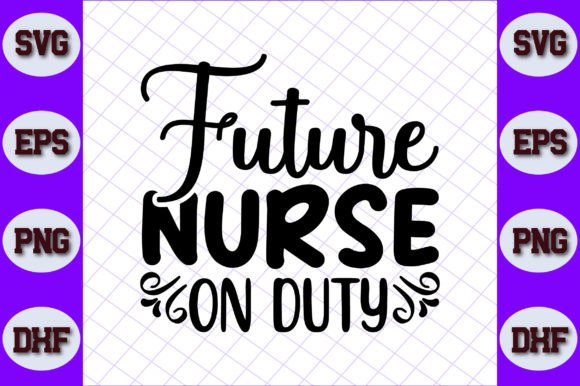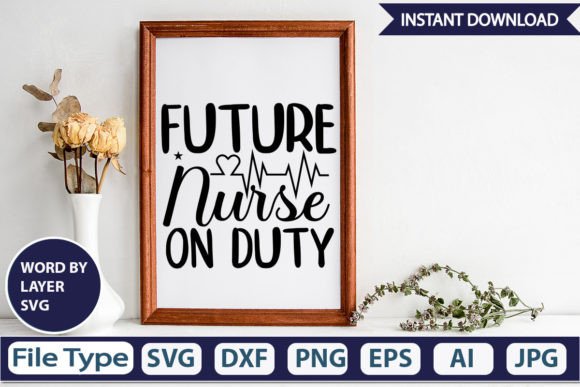
Future Nurse on Duty SVG Cut File
I have spent years turning digital graphics into embroidered products that sell, and I know the difference between a design that looks good on a screen and one that actually stitches cleanly on fabric. The Future Nurse on Duty SVG Cut File caught my attention because nursing-themed gifts are a steady seller year-round, and anything that helps a customer celebrate a student’s hard work is worth a serious look. I opened the file with the mindset of someone who needs to produce a polished, professional embroidered item — not just a craft project, but a product that someone will pay for and trust.
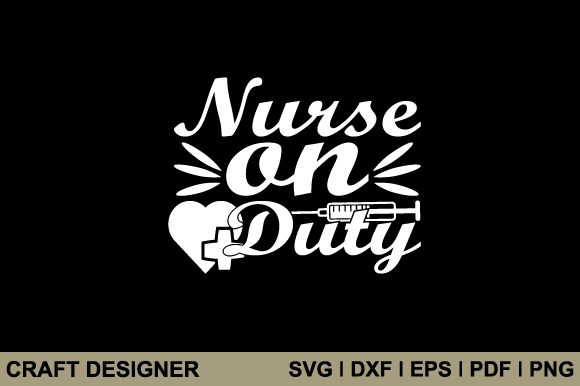
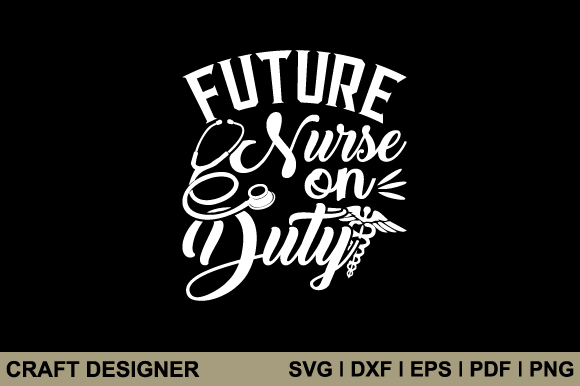
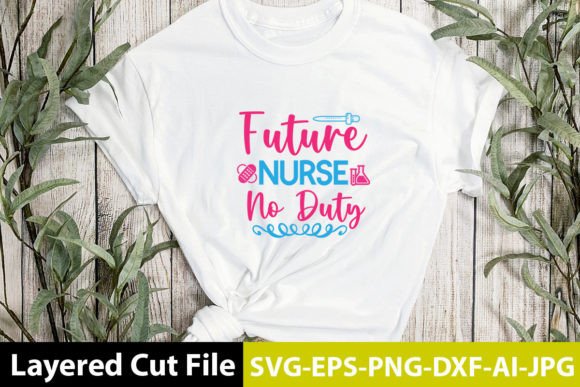
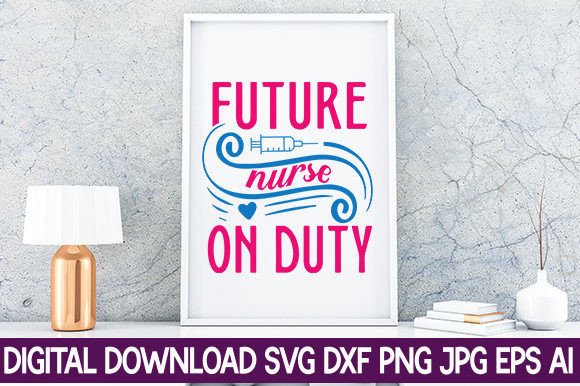
Right away, the design felt cheerful and directional. The phrase “Future Nurse on Duty” carries a proud, slightly playful tone that works well for graduation gifts, scrubs, tote bags, or even a framed nursery print. The layout is built with clear, separated layers, which is the first thing I notice when I think about embroidery digitizing or applique preparation. Because the download is described as a word by layer SVG, the individual elements are likely clean and easy to isolate. That matters enormously when you need to break a design into stitch sections or assign different thread colors to specific words.
First Impression: Mood and Visual Personality
The mood of this Future Nurse on Duty SVG Cut File is optimistic and affirming. It doesn’t lean too clinical or too childish; it lands in that sweet spot where a nursing student, a new graduate, or even a seasoned nurse would enjoy wearing it on a casual sweatshirt or carrying it on a canvas tote. The typography is the star here. If the designer has used clean, bold lettering with a soft curve or a friendly weight, the design will read well from a distance. That’s critical for embroidery on apparel. Fussy, thin fonts often disappear in thread, but this file’s word-by-layer structure suggests deliberate spacing and sizing, which often translates to better stitch results.
I immediately imagined this on a heather gray crewneck sweatshirt, stitched in navy and white thread, with a tiny red cross emblem or a stethoscope accent if the file includes a graphic element. Even without an icon, the phrase alone carries enough meaning to stand on its own as a personalized gift. The design feels like it belongs in a boutique window or a well-lit Etsy listing, not just a hobbyist’s scrap bin.
Where This Design Shines in Real Embroidery Projects
When I evaluate a design for my small shop, I picture it finished on at least three different products. The Future Nurse on Duty SVG Cut File is a natural fit for custom apparel, especially crewnecks, hoodies, and long-sleeve tees. Because the text is layered, you can easily adjust the composition to fit a standard left chest placement or scale it up for a full back design. I’ve also seen similar phrases work beautifully on a cotton apron for a nursing student who bakes between shifts, or on a zippered pouch filled with pens and a mini flashlight.
For craft fair inventory, I’d test this on a tote bag design. A simple natural canvas tote with the phrase stitched in a soft teal or coral thread would attract shoppers looking for a meaningful but not overly sentimental gift. The same goes for a nursery pillow cover — “Future Nurse on Duty” stitched onto a throw pillow for a baby’s room is the kind of thing that makes grandparents smile and gets reordered for baby showers.
Patches are another strong possibility. If you reduce the design to a compact size and use a dense satin stitch with a merrowed edge, you can create a sew-on patch that customers can iron onto a jacket, a backpack, or a scrub cap. The word-by-layer structure helps here, because you can test just the main text as a patch without ornamentation, keeping the stitch count manageable.
Embroidery Realities: How the Design Stitches Out
I never trust a file until I’ve run it through a few mental tests. The first thing I consider is lettering thickness. In a good machine embroidery design, the smallest letters need to be at least a quarter of an inch tall to stitch without collapsing into a blob of thread. While I can’t see the exact dimensions of this SVG, the phrase “Future Nurse on Duty” is long enough that the designer probably kept the lettering at a reasonable size. If the file includes a subheading or a tiny secondary line, I’d watch that carefully on the first stitch-out. Thin, delicate script can turn into a mess on textured fabric or lightweight knits.
Stitch density is another factor. Since this is a digital file meant for crafts, the final embroidery file will need to be digitized from the SVG. As a digitizer, I’ll be looking at how the layers are grouped. Are the words separate objects? Can I assign a fill stitch to the main letters and a running stitch to any outlines? Good separation means I can control the push and pull of the fabric without distorting the design. I always recommend testing the design on a scrap of the same fabric you’ll use for the final product. Twill, denim, and fleece all behave differently under dense stitches.
Hoop size is a practical concern that doesn’t always make it into the product description. I’d map out the design’s overall width and height before committing to a project. If the phrase is more than 5 inches wide, you’ll need at least a 5x7 hoop for a standard left chest logo. For a full back, you’ll need a much larger hoop, possibly a multi-position frame. The beauty of an SVG file is that you can scale it, but embroidery has hard limits. You can’t shrink a design below the readable stitch threshold without reworking the lettering. So I always caution makers: check the size on a printed template before you digitize.
The Color and Contrast Problem Every Maker Should Solve
One of the most common mistakes I see with embroidery files is using a color palette that looks great on a white screen but fails on dark fabric. The Future Nurse on Duty SVG Cut File will likely be stitched in a variety of thread colors, and that’s where smart choices make the difference between a design that pops and one that disappears. On a navy sweatshirt, white or light gray thread reads crisply. On a white onesie, you’ll need a darker thread with enough contrast. I always test the design in a black and white mockup to see if the shapes hold up without color. If the lettering relies on color alone for legibility, it will struggle on busy prints or heathered fabrics.
For personalized gifts, I often suggest a two-tone approach. Maybe the word “Future” is stitched in a soft gold, and “Nurse on Duty” in a deep teal. That kind of detail makes a product feel custom and premium, and it’s the type of thing that gets repeat customers. Because this file is a word by layer SVG, swapping colors during the digitizing process should be straightforward, giving you creative freedom without breaking the design.
Real-World Use: A Tote Bag That Tells a Story
Let me walk you through a typical project. A customer messages me asking for a graduation gift for her daughter who just got into nursing school. She wants something practical but celebratory, something the daughter can carry to clinicals. I pull up the Future Nurse on Duty SVG Cut File and prep it for a medium canvas tote. I scale the design to about 6 inches wide, perfect for a centered placement on the front panel. I choose a mid-weight cutaway stabilizer to support the stitch density on the canvas, and I test the design on a similar fabric scrap first.
The stitch-out reveals clean, bold lettering. The satin stitch on the main words has a slight sheen that catches the light, and the layout feels balanced. I add a thin running stitch border around the phrase to frame it, something that’s easy to do because the original SVG layers are clean. The finished tote looks professional enough to sell in a boutique. The customer is thrilled, and I’ve just created a product that I can list in my shop with confidence.
When to Be Cautious with This File
No design is perfect for every surface. I would avoid using the Future Nurse on Duty SVG Cut File on heavily textured fabrics like thick terry cloth or chunky cable knits, because the lettering will lose its crisp edges. Stretchy fabrics, like thin jersey, can cause puckering if you don’t use the right stabilizer and a light hand with stitch density. Caps and curved surfaces are tricky with any text-based design; the phrase might arc awkwardly unless you adjust the placement carefully. I’d also steer clear of tiny keychains or jewelry-scale embroidery, where the lettering would become unreadable.
For baby items, I always check the softness of the embroidery on the back. A finished product like a onesie or a baby blanket needs a smooth backing so it doesn’t irritate sensitive skin. Using a soft fusible backing or a water-soluble topping can help, but the stitch density in the lettering must be balanced. Overly dense fills create a stiff, scratchy feel that parents won’t appreciate.
The Business Angle: Selling Products with This Design
From a small business perspective, the Future Nurse on Duty SVG Cut File has strong potential. Nursing-themed merchandise is a reliable niche, and this phrase is specific enough to attract buyers who are shopping for a clear occasion — graduation, pinning ceremonies, first job congratulations. It’s not a generic healthcare design; it tells a story of someone in training, working toward a goal. That emotional hook is what drives sales and encourages word-of-mouth sharing.
When you list a finished product using this design, I recommend showing it on multiple mockups: a sweatshirt, a tote, a patch, and maybe a framed hoop art piece. Use natural lighting and show the texture of the stitches. Buyers want to see the product as it will look in their hands, not just a flat digital preview. If you’re selling the digital file itself as a commercial embroidery asset, make sure your listing clearly states what the buyer can and cannot do. The product description says this is a digital download with one SVG file, word by layer. It doesn’t mention a license for reselling finished products, so I always advise contacting the designer to confirm commercial use terms before you produce items for sale. That clarity protects your business and builds trust with your customers.
Practical Designer Notes Before You Stitch
Over the years, I’ve learned that even the best SVG file benefits from a few ground rules. Here’s what I’d do before using the Future Nurse on Duty SVG Cut File for a paid project:
- Test on scrap fabric first. Use the same fabric type and color you’ll use for the final product. This saves you from ruining a good blank.
- Check thread color contrast. Stitch a sample on both light and dark backgrounds to see if the design holds up.
- Review stitch density. If you’re digitizing from the SVG, adjust the density for the fabric weight. Tightly woven cotton can handle more density than a fleece.
- Confirm hoop size. Print a paper template of the design and place it on the blank to make sure it fits comfortably within your hoop’s stitching area.
- Inspect small details. If the file includes tiny decorative dots or thin lines, watch them during the test stitch. They might need to be enlarged or removed.
- Use proper stabilizer. For apparel, a cutaway stabilizer is almost always safer than tear-away. For tote bags, a medium-weight cutaway works well.
- Test in black and white. A quick grayscale mockup reveals whether the design relies too much on color for legibility.
- Check licensing. Since the product description only mentions a digital download of one SVG file, I’d verify commercial use rights before selling any finished product. This is a common step for any digital embroidery file you didn’t create yourself.
These steps don’t take long, and they separate a hobbyist’s output from a professional craft business product. When a customer receives a perfectly stitched item, they remember the quality, not the file name. That’s how you build repeat sales and glowing reviews.
Final Verdict from a Stitcher’s View
The Future Nurse on Duty SVG Cut File is a thoughtful, versatile design that I’d happily add to my embroidery project library. It’s not a complex, multi-layered illustration; it’s a clean typographic statement that plays to the strengths of machine embroidery. The word-by-layer structure gives you control, and the theme fits a wide range of products from personalized gifts to boutique merchandise. With a careful digitizing process and attention to fabric and stabilizer choices, this design can produce a finished product that looks elevated and heartfelt.
For crafters, Etsy sellers, and small shop owners, this file offers a reliable way to tap into the nursing niche without a lot of risk. The design’s simplicity is its strength, and when you treat it with the respect any embroidery design deserves — testing, adjusting, and finishing with care — it will reward you with products that sell and customers who come back. Just remember to check those licensing terms and always test before you stitch for a client. The screen is only the starting point; the real magic happens when thread meets fabric.