Heartbeat Stethoscope Nurse Gift: A Stitcher’s Review
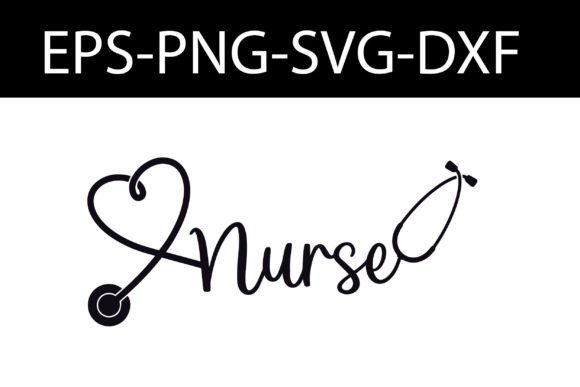
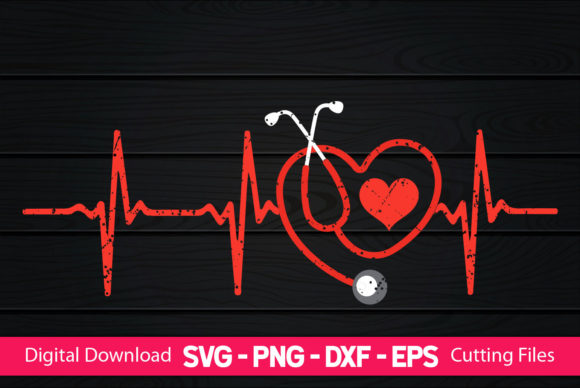
When I first opened the Heartbeat Stethoscope Nurse Gift digital file, I immediately saw a design that knows its audience. It’s not trying to be trendy or overly clever. Instead, it leans into a quiet, heartfelt mood that feels made for real handmade projects. The central motif blends a recognizable stethoscope curve with a heartbeat line, and the overall layout reads as warm, professional, and deeply personal. For an embroidery designer, that’s gold. You don’t just want a pretty picture. You want a design that will translate well into thread, hold its meaning after stitch compression, and make a finished product someone reaches for again and again.
This is a digital file for cutting machines, offered as SVG, PNG, DXF, and EPS. That means it’s not a ready-to-stitch embroidery file. You’ll need to digitize it or have it converted before you can load it into your embroidery machine. But as a design asset, it gives you a clean, thoughtful starting point. I’ve spent years digitizing my own artwork and testing client-supplied graphics, and I can tell you right away: the bones of this design are good. The shapes are readable, the negative space is balanced, and the theme doesn’t rely on tiny details that would vanish under a needle.
A Quiet, Confident Mood That Works for Nurse Gifts
The mood of the Heartbeat Stethoscope Nurse Gift is exactly what you want for a gift that says “thank you” or “I appreciate you.” There’s no screaming text, no cartoonish clip art. The heartbeat line gives it a sense of life and sincerity, while the stethoscope element grounds it in healthcare. The combination feels respectful, almost like a personal emblem. I could picture this embroidered on a soft gray sweatshirt, a tote bag, or a scrub cap. It wouldn’t look out of place on a prayer shawl or a pillow cover for a nurse’s home. The visual personality is understated, which makes it versatile across different fabric textures and product types.
As a reviewer who also runs a small craft business, I think about how a design will look on a product photo. This one photographs well in mockups. The line art style means it could be stitched in a single color or a restrained palette, and the resulting image still reads clearly. That’s a huge advantage for Etsy sellers and small shop owners who rely on crisp listing photos. Buyers can instantly understand the product, and that builds trust.
Where This Design Shines in Real Embroidery Projects
I ran a mental test of a dozen applications while examining the file. The first thing I imagined was a custom apparel piece: a premium unisex sweatshirt with the design embroidered on the left chest. The heartbeat line and stethoscope would sit nicely at about 3.5 to 4 inches wide, leaving plenty of room for a name or small date beneath. The visual weight isn’t too heavy, so it wouldn’t pull oddly on stretchy fabric if you use the right stabilizer.
Then I thought about tote bag design. A canvas tote with this embroidery centered on the front pocket would be a beautiful nurse appreciation gift. The design’s openness means it won’t trap dirt or lint, and it won’t feel stiff on a bag that gets used daily. I also considered a pillow cover for a clinic waiting room or a nursing school graduation present. The symbolism is strong without being overly sentimental. It’s the kind of design that makes a handmade product feel like a thoughtful purchase rather than a novelty item.
For baby embroidery, I’d shrink it down to fit a onesie or a tiny blanket. The heartbeat line naturally connects to newborn themes. With careful digitizing, you could keep the stitch count low enough to avoid irritating delicate skin. I’d test it first on a cotton interlock scrap to see how the machine embroidery design holds up after washing. The stethoscope curve might need a slightly wider satin stitch if you’re going under 2 inches, but the overall look remains charming.
Thinking Through Texture, Thread, and Stitch Behavior
Any experienced embroiderer knows that what looks clean on screen can become a muddy mess on fabric if you don’t plan the stitch types. The Heartbeat Stethoscope Nurse Gift relies on a mix of fluid lines and small angular details. In digitizing, I’d use a running stitch for the heartbeat waveform and a combination of satin and fill stitch for the stethoscope bell or tubing, depending on the final size. If you keep the design mostly line-based, you can get away with a lighter stitch density, which means faster production and less puckering on thin fabric.
Dark fabrics need a little extra thought. The heartbeat line could disappear on black or navy if you use a medium gray thread. I’d test a bright white or metallic silver against dark backgrounds. On light fabrics, a classic red or deep teal would make the design pop without losing the professional feel. The file itself is a clean vector, so you can easily scale it, but remember that scaling up also increases stitch length in the digitized version. You’ll want to review the stitch angles and adjust underlay if you go beyond 6 inches.
Practical Cautions: Where You Need to Slow Down
No design is perfect for every situation, and the Heartbeat Stethoscope Nurse Gift has a few spots where I’d proceed with care. The heartbeat line, while elegant, can become tricky below 2 inches. If the peaks and dips are too small, the running stitch might look like a dotted line rather than a continuous waveform. I’d recommend a minimum size of 2.5 inches for the main graphic to keep the detail readable. If you need a smaller version for a cap or a patch, consider simplifying the heartbeat into a bold, single-stitch path.
Curved surfaces like caps and hats are another challenge. The design’s horizontal stretch might warp on a curved cap front. I’d hoop the cap carefully and use a topping to keep the stitches from sinking into the fabric. Textured fabrics like fleece or terry cloth can also swallow fine lines. In those cases, a slightly thicker stroke in the digitized file and a low-profile stabilizer underneath will help the design stand up.
Layered garments, such as a hoodie with a front pocket, can cause registration issues if the design spans a seam. I’d position the embroidery entirely on the smooth chest area. Frequent washing is another consideration. If you’re making a scrub top or a tea towel, choose colorfast threads and use a poly-cotton blend that won’t bleed. The design itself doesn’t have large solid fill areas, so it’s less prone to cracking, but a good quality backing will keep it looking crisp through dozens of wash cycles.
How This Design Boosts Product Value and Customer Trust
When I choose a design for my own Etsy shop or client commissions, I’m not just looking at aesthetics. I’m thinking about giftability. A design that looks generic won’t sell. One that feels intentional and emotionally resonant will. The Heartbeat Stethoscope Nurse Gift falls squarely into the second category. It’s specific enough to be a meaningful personalized gift but universal enough to appeal to a wide range of nurses, nursing students, and healthcare workers. That sweet spot is where repeat customers come from.
From a brand consistency standpoint, the clean line art style blends well with other minimalist designs. If you’re building a cohesive collection of nurse-themed embroidery projects, this design can anchor a set along with a monogram, a small heart, or a date. It also works beautifully in printable mockups and digital product previews. You can show it on a tote, a mug, a framed print, or a pillow, and it translates across all of them. That kind of versatility is exactly what small business owners need when they’re creating product listings or social media content.
One thing I always check is whether the design makes a finished product look more professional. The answer here is yes. The symmetry is solid, the proportion feels right, and there’s nothing that screams “amateur.” If you stitch it out neatly, your customers will see a high-quality, handmade product they’d be proud to give. That positive reaction strengthens buyer engagement and encourages word-of-mouth referrals.
Designer Notes Before You Stitch
Before you load this crop into your digitizing software, I have a few practical reminders. First, test the design on a scrap of the same fabric you’ll use for the final piece. Check thread color contrast under both natural and artificial light. A color that looks great on screen might wash out on unbleached cotton or look too harsh on a bright white background. I always do a quick black-and-white mockup to see if the design still reads without color. That tells me whether the silhouette is strong enough.
Review stitch density carefully after digitizing. The heartbeat waveform should be light and airy, not heavy. If you’re using a satin stitch for the stethoscope, keep the width reasonable so it doesn’t sink into plush fabrics. Confirm your hoop size before you start. The design as a whole might fit a 4x4 hoop at 3.5 inches, but if you add text, you’ll need a larger hoop. I’d also test the design on both light and dark fabric backgrounds. Sometimes a design needs a slight outline on dark materials to keep the edges crisp.
Proper stabilizer choice is non-negotiable. For knits, I use a cutaway stabilizer. For woven fabrics, a tear-away often works. If you’re embroidering on something extremely thin, like a lightweight muslin blanket, a water-soluble topping can prevent the stitches from tunneling. Finally, don’t forget to check the licensing that comes with the Heartbeat Stethoscope Nurse Gift digital file. The listing says it’s a print-ready file for Cricut and Silhouette, so it’s a graphics asset from the Crafts category. That means you can use it for your own projects, but if you plan to sell finished embroidered patches or digitized embroidery files, confirm what the license allows. Many designers offer personal and limited commercial use, but you need to read the fine print. When in doubt, reach out to the creator directly.
Is This Design Right for Your Next Project?
The Heartbeat Stethoscope Nurse Gift is one of those designs that quietly earns its place in your digital library. It’s not flashy, but it’s endlessly useful. I can see it on a sweatshirt embroidery order for a nursing graduate, on a set of tea towels for a hospital volunteer, or on a baby blanket for a NICU nurse’s new arrival. It holds up as a standalone piece and works equally well as part of a larger embroidery project with names, dates, or quotes.
For creative entrepreneurs and hobbyists alike, the design offers a clear path from digital file to finished product without a steep learning curve. The shapes are straightforward to digitize, and the visual payoff is high. Just remember that you are working with a graphics file, not a pre-digitized embroidery file. That means you’ll need to invest a little time in digitizing, testing, and refining. But if you’re comfortable with that process, this design gives you a reliable, emotionally warm foundation that your customers will appreciate.
I’d recommend this design for commercial embroidery use, small-batch handmade products, and personal gifts. It’s a strong addition to any nurse-themed collection, and it carries a sense of dignity that will make your finished items stand out. Whether you’re preparing for a craft fair, stocking your Etsy shop, or making a one-of-a-kind personalized gift, the Heartbeat Stethoscope Nurse Gift is a design that stitches out as thoughtfully as it looks on screen.