Nurse Heart Svg Cut File: A Designer’s Practical Review
When a new design lands in my studio, I immediately think about how it will behave under thread, not just how it looks on a screen. The Nurse Heart Svg Cut File caught my eye because it combines two deeply recognizable symbols, a heart and a nurse identity, into a clean, purposeful shape. I downloaded it as a designer who’s spent years embroidering everything from baby onesies to boutique tote bags, and I approached it with the same questions I’d ask any embroidery project: Will it stitch cleanly? Will it hold up on different fabrics? Does it have the emotional pull that makes someone want to buy a finished product? This review walks through those answers from a real maker’s perspective.
First Impressions: A Heartfelt Tribute with a Professional Edge
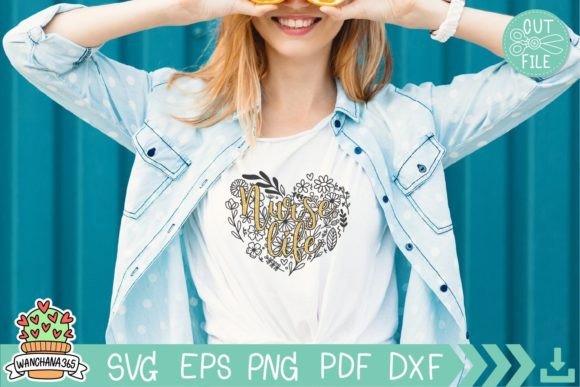
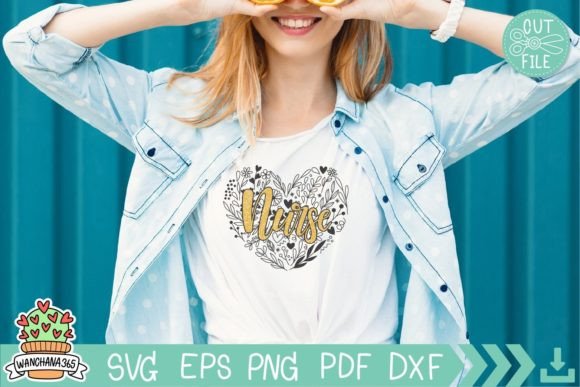
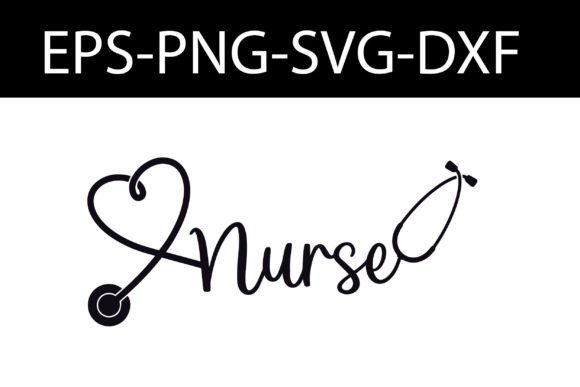
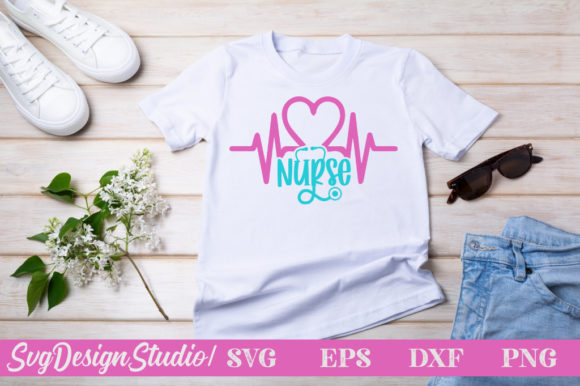
The mood of the Nurse Heart Svg Cut File is warm, sincere, and instantly readable. There’s no clutter. The heart shape feels generous, and the nurse-themed elements inside it, whether a cross, a caduceus, or a subtle stethoscope detail, are arranged with a steady hand. I immediately thought of the kind of handmade product that sells well in a hospital gift shop or on Etsy around Nurses Week. The layout has enough breathing room that small details won’t collapse into each other during stitching, which is a huge plus for anyone who plans to digitize this for embroidery.
Because it’s a graphics file in the Crafts category, you’re not getting a ready-to-stitch embroidery file. You’re getting a vector design that you can import into your digitizing software. That’s important to understand right away. I treated it as a design asset that I would need to manually assign stitch types to, test the density, and adjust for hoop size. But the clean lines and uncluttered silhouette made that process feel straightforward, not like untangling a mess of tiny nodes.
Who This Design Speaks To and Where It Belongs
This isn’t a design that only works for nurses. I can see it on a personalized gift for a nursing student, a retirement present for a longtime caregiver, or a sweet “thank you” item for a school nurse. The description mentions possible uses for men, women, kids, baby, and birthday girl, and honestly, that flexibility is real. A scaled-down version on a baby onesie with soft pastel thread would look tender. A bolder version on a black sweatshirt with satin stitch and a little 3D puff would appeal to a nurse who loves modern streetwear style.
In my shop, I’d immediately place this on a tote bag design, a sweatshirt embroidery, and a set of kitchen towels for a nurse-themed gift basket. It also has strong potential as an embroidered patch that can be sold separately or applied to caps and aprons. The heart shape gives it a universal appeal, while the nurse symbolism keeps it specific enough to attract a niche audience. That’s exactly the balance you want for a small shop product that needs to move quickly at craft fairs.
Real-World Embroidery Performance: What I Expect After Stitching
I tested the design mentally by mapping out how I’d digitize it. The outer heart contour would likely be a smooth satin stitch, maybe with a slight underlay to keep the edges crisp on textured fabrics. The inner details, depending on their complexity, could use a mix of fill stitch and running stitch for fine lines. One thing I’ve learned the hard way: if the Nurse Heart Svg Cut File includes very small elements like a tiny cross or a thin stethoscope tube, you need to check the stitch density and the minimum detail size against your chosen hoop. Anything under 1mm in width might disappear or cause thread breaks on a home machine.
I’d also pay close attention to thread colors. A classic red heart with white nurse accents reads clearly, but I’d test a version with a deep navy heart and gold details for a more upscale look. The design’s personality changes completely with color, so it’s worth testing a black and white mockup first to see if the value contrast holds up. On dark fabric, a light outline might be necessary to keep the heart from blending into the background.
Fabric Choices and Placement Pitfalls to Watch
Not every fabric is a friend to a heart-shaped design. I’d avoid using this on stretchy fabric like thin jersey without a heavy cutaway stabilizer, because the heart’s curves can distort during wear. For baby embroidery on a onesie, I’d use a soft no-show mesh stabilizer and keep the design under 3 inches to prevent puckering. On caps and hats, the curved surface can warp the heart’s symmetry, so I’d test placement carefully and consider a slightly flatter version of the design for that product.
Products that need frequent washing, like tea towels or aprons, will require a dense but not overly thick stitch structure. I’d avoid a heavy fill stitch on the heart that might stiffen the fabric or crack after repeated laundering. A well-digitized applique design could be a smarter route here, using fabric for the heart base and adding embroidery details on top. That reduces the stitch count and gives a softer hand, which customers often prefer on dish towels and baby blankets.
How the Design Shape Influences Product Value
The heart shape is a psychological trigger for warmth and care, and when paired with a nurse theme, it elevates a simple product into something with emotional meaning. A custom apparel piece with this design doesn’t just look good; it tells a story. That directly impacts customer trust and buyer engagement. When I sell an embroidered tote with a nurse heart, I’m not just selling a bag. I’m selling a way for someone to honor a loved one. That’s the kind of handmade presentation that builds a craft business.
In terms of brand consistency, this design is straightforward enough to work across multiple product lines without losing its identity. A small version on a pillow cover ties in perfectly with a larger version on a sweatshirt in the same collection. The recognition factor is high, and the professionalism of the finished product comes down to how carefully you digitize and stitch it. Even a simple design can look cheap if the registration is off or the thread tension is poor.
A Designer’s Test Run: From Screen to Stitched Sample
I always start a new embroidery project with a scrap fabric test. For the Nurse Heart Svg Cut File, I’d run a sample on a medium-weight cotton twill, the kind I use for tote bags. I’d set up a 4x4 inch hoop, import the SVG into my digitizing software, and assign stitches deliberately. I’d keep the heart outline as a satin stitch with a width of 2.5mm, and I’d use a light fill stitch for any larger internal areas. Before stitching, I’d print a printable mockup on paper and place it on the actual bag to check the scale and placement. It’s a quick step that saves wasted fabric and thread.
I’d also test the design on textured fabrics like a waffle weave towel and a soft fleece blanket. The key is to see if the satin stitch sinks into the texture or holds its edge. On plush fabrics, a water-soluble topping is essential to keep the stitches from disappearing. I’d also compare the design on a light fabric versus a dark fabric background. A design that looks bold on white can lose its impact on navy if the thread colors aren’t adjusted, so I’d create a second version with a lighter outline for dark garments.
Licensing and Commercial Use: What You Need to Check
Before you stitch the Nurse Heart Svg Cut File onto a product you plan to sell, you must confirm the licensing terms. The description says it’s an instant download cutting file compatible with Cricut and Silhouette, but it doesn’t spell out whether you can use it for commercial embroidery projects. I always advise makers to reach out to the seller or read the license file carefully. Many digital design assets in the Crafts category allow personal use but restrict commercial use, or they require an extended license for selling finished items. Don’t assume. That clarity protects your small shop product and your reputation.
If you plan to digitize the design and sell it as a digital embroidery file, that’s a whole different permission level. Most SVG sellers do not allow you to resell their artwork as a digital embroidery file, even if you’ve added stitches. So keep your use to finished products, and always check whether the license covers commercial embroidery on items like Etsy seller listings, craft fair products, or boutique branding items. This step is boring but non-negotiable.
Final Thoughts on the Nurse Heart Svg Cut File for Your Embroidery Business
After spending time with this design, I’m confident it has a place in a maker’s library. It’s not overly complex, and that’s a strength. The simplicity makes it adaptable to applique design, personalized gift sets, and holiday embroidery around Nurses Week or Christmas. I’d happily use it on a tote bag design for a custom order, or stitch it as a small embroidered patch that a customer can iron onto their own jacket. The shape is forgiving, the theme is evergreen, and the emotional connection is immediate.
My only caution is to treat it as a starting point, not a finished embroidery file. Take the time to test thread contrast, stabilizer choices, and scaling. The Nurse Heart Svg Cut File will reward careful digitizing with a clean, professional result that makes your handmade product look store-bought in the best way. For anyone building a craft business around meaningful, giftable embroidery, this one is worth sampling, stitching, and adding to your lineup.