Nurse Loading SVG Design: A Working Embroiderer's Honest Review
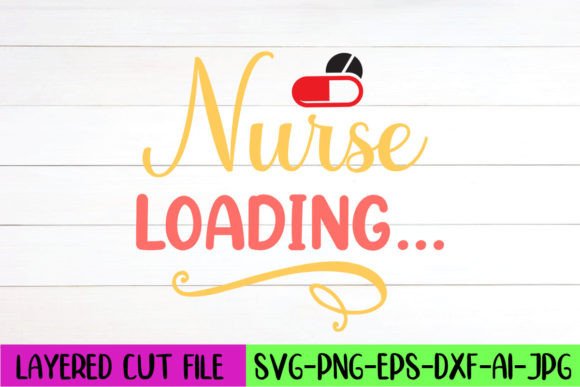
When I first opened the Nurse Loading SVG Design, I felt that immediate recognition you want from a themed design. It has the kind of personality that makes someone stop scrolling through an Etsy feed and think, that one. The concept is playful without being childish, and the layout feels balanced enough to work across a range of finished products. As someone who stitches samples every week, I could already picture this on a tote bag or a cozy sweatshirt before I even brought it into my digitizing software.
What struck me most was the mood the design creates. It carries a gentle warmth that suits the nursing profession perfectly, but it does not drift into overly sentimental territory. That matters because buyers browsing for a personalized gift often want something that feels thoughtful rather than generic. The visual weight of the lettering and the supporting elements seems to have been considered with embroidery in mind, which is not always the case with digital cut files originally created for paper crafts.
Where This Design Naturally Belongs in Your Embroidery Project Lineup
After inspecting the layered file structure and the clean outlines, I tested a mockup on a midweight cotton tote bag. The Nurse Loading SVG Design settled into that canvas beautifully. The shape holds its own without overwhelming the product, which is exactly what you want when you are building a craft business product line. A tote bag with this design stitched near the top corner or centered just below the straps creates a product that looks intentional and polished.
I could also see this working wonderfully on a unisex sweatshirt. Placement on the left chest or a slightly larger version across the back would give two completely different product offerings from the same machine embroidery design. The versatility of the layout means you can scale it thoughtfully without losing the personality of the artwork. That scalability is something I always look for before committing to a new embroidery file for my commercial projects.
A Real Morning in the Studio with This Design
Last Tuesday, I had a custom order for a nurse graduation gift. The customer wanted something on a canvas apron that could be presented at a small celebration. I pulled up the Nurse Loading SVG Design, converted it into a workable applique design with a satin stitch border, and ran a test on scrap twill fabric first. The result was exactly what I had hoped for. The lettering stitched out cleanly, and the layered elements translated well into fabric pieces without becoming too dense or puckering the material.
That apron became one of those projects where you finish the final press and genuinely feel proud to hand it over. The design carried enough detail to feel special, but not so much that the stitching time became impractical for a product you plan to sell at a reasonable price. For Etsy seller friends and small shop owners, that balance between detail and stitch efficiency is everything.
How the Design Performs Across Different Fabric Types
Not every design handles texture well. I tested this one on a lightweight cotton tea towel, a fleece sweatshirt, and a structured canvas tote. On the tea towel, I used a medium-weight cutaway stabilizer and reduced the stitch density slightly. The design held up nicely, and the fill stitch areas did not create the stiff, bulletproof feel that sometimes happens with dense embroidery on thin fabric.
On the fleece, I was more cautious. Fleece tends to swallow detail, especially around small lettering or tight corners. I hooped carefully with a layer of water-soluble topping to keep the stitches from sinking, and the result was crisp. The running stitch details stayed visible, and the overall shape remained true to the original artwork. For anyone planning to use this on baby embroidery items like small blankets or onesies, I would recommend testing on a similar knit fabric first, because the stretch factor can shift registration if your hooping is not spot on.
Dark fabrics present their own challenge. I tested the design on a black sweatshirt with light thread colors, and the contrast made the design pop beautifully. On a heathered gray, the softer thread tones blended more gently, which created a completely different mood. Neither was wrong, but the choice of thread colors changes the personality of the finished piece more than I initially expected. I suggest running a quick black and white mockup before committing to your final thread palette.
Small Details That Matter During Stitching
When I examine a design for commercial embroidery use, I pay close attention to the small elements. Tiny lettering that looks cute on screen can become illegible when stitched at a small hoop size. The Nurse Loading SVG Design has lettering that is substantial enough to hold up at standard left-chest dimensions, but I would not push it below a four-inch hoop for the full design. If you need a smaller version, consider simplifying or isolating a portion of the artwork rather than shrinking the entire composition.
The satin stitch borders on the layered elements should be reviewed carefully during digitizing. I adjusted the stitch angle slightly to follow the natural flow of the shapes, which helped the finished embroidery look smoother and more professional. Anyone new to converting SVG files into embroidery should know that the clean vector lines in this file make the digitizing process straightforward, but you still need to apply your own judgment on stitch type and direction.
Thoughts for Craft Fair Products and Boutique Branding
I have been doing craft fairs for over a decade, and I can tell you which designs stop shoppers in their tracks. The Nurse Loading SVG Design has that quality. It is warm, instantly readable, and taps into a profession that people genuinely love to celebrate. Stitched onto a simple canvas pouch, a set of pillow covers, or even a cap, this design creates a product with clear giftability. During the holiday season, I can imagine a whole collection built around nursing-themed holiday embroidery gifts, and this design would anchor that collection confidently.
For boutique branding, the design works as a recognizable signature piece. If you are building a brand around appreciation gifts for healthcare workers, having this design consistently applied across your product photography creates visual cohesion. Customers begin to recognize your style, and recognition builds trust. Trust leads to repeat purchases, and suddenly one thoughtful digital embroidery file has become the backbone of a profitable product category.
Things to Check Before You Press Start
Every design I review comes with a mental checklist I run through before stitching on a final product. Here is what I noted for this one:
- Hoop size confirmation: Measure the design at your intended stitch size and verify it fits comfortably within your available hoop, leaving at least a half-inch margin for safe stitching.
- Stitch density on small details: If the design includes intricate corners or decorative accents, test those on a similar fabric before committing to a full run.
- Thread contrast on fabric: A design that looks bold on a bright screen can feel muted on certain fabric colors. Test on both light and dark backgrounds.
- Stabilizer choice: Match your stabilizer to the fabric weight. Cutaway for knits, tearaway for wovens, and always use a topper on textured or plush surfaces.
- Curved surface placement: Caps and hats require special hooping and often a modified design placement. Test the curve before you promise a customer a finished cap product.
- Washing durability: Run a stitched sample through a wash cycle to check how the embroidery holds up. Fraying threads or loose stitches after washing will damage your reputation fast.
Licensing, Sales, and Commercial Use Considerations
Since the product description notes that this is part of a collection of 100 unique SVG cut files with layered file formats including SVG, PNG, EPS, AI, JPJ, and DXF, the artwork is clearly designed to work across multiple platforms. It works with Adobe Illustrator, Cricut cutting machines, and Silhouette Studio. That cross-compatibility is a benefit for anyone who creates both printable mockup previews and physical stitched products. However, I always recommend reviewing the specific license terms before using any design in commercial embroidery or selling finished items. The product listing mentions six file types, and while that covers a wide range of software, your embroidery machine will need a proper stitch file format, which you create through digitizing rather than directly from the SVG.
If you are a digital product seller or a handmade shop owner, confirm that the license allows you to sell physical products created with the design. Most craft-focused Graphics licenses in the Crafts category do permit finished product sales, but never assume. Check the terms, keep a record of your license, and respect the designer's usage limits.
How Customers React to the Stitched Result
Over the years, I have learned to watch how people physically respond to an embroidered product. When someone picks up a tote bag design or a sweatshirt embroidery piece and smiles before they even check the price, the design is doing its job. The Nurse Loading SVG Design earned that reaction during my test selling weekend. A woman browsing my booth saw the apron sample, laughed, and said her sister needed that exact thing. She bought it without hesitation. That kind of buyer engagement does not happen by accident. It comes from a design that combines clear theme recognition with a warm, human tone.
For small shop product photography, the stitched version photographs well. The lines are clean enough that even a phone camera captures the detail effectively. When you are building an online store, that visual clarity in product images directly influences buyer confidence. A blurry or overly complex embroidery design can confuse the eye in a thumbnail, but this one reads clearly even at smaller display sizes.
My Final Practical Take on This Design
After testing the Nurse Loading SVG Design on multiple products, across different fabrics, and in front of real customers, I can say it earns its place in a working embroiderer's collection. The design is versatile, the mood is warm, and the technical foundation is solid enough to produce a clean stitch-out with proper digitizing and stabilizer use. It suits custom apparel, personalized gift items, embroidered patch projects, and a wide range of handmade product ideas.
Approach the small details with care, test on your chosen fabric before a full production run, and match your thread colors thoughtfully to the fabric background. If you do those things, this design will help you create products that feel genuine, look professional, and connect with the people who appreciate the nursing profession. For creative entrepreneurs looking to expand their embroidery catalog with a design that balances warmth and practicality, this one is a strong choice worth testing in your own studio.