Registered Nurse Plaid Pattern SVG PNG Review
First Impressions: A Cozy, Professional Vibe
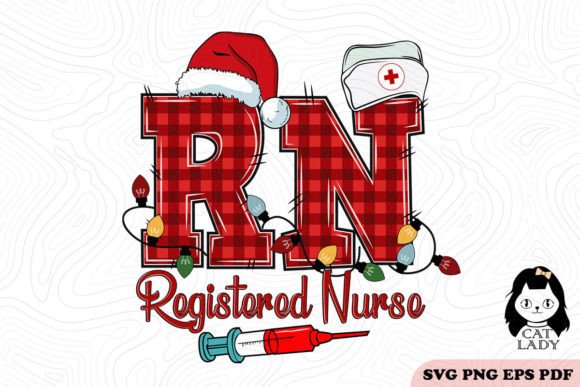
When I opened the Registered Nurse Plaid Pattern SVG PNG file, I immediately felt a warm, approachable energy. This isn’t a cold, clinical medical graphic. The plaid pattern softens the strong “Registered Nurse” title, blending a sense of tradition, comfort, and pride. It’s the kind of design that makes you think of a favorite flannel shirt, a cozy fall morning, and a career built on genuine care. From an embroidery perspective, that mood is pure gold. It translates beautifully into products meant to be held, worn, or gifted with affection.
The layout feels balanced and intentional. The plaid creates a textured backdrop without overwhelming the central text, and the overall shape works well for both badge-style placements and larger decorative panels. At 4500 x 5400 pixels and 300 DPI, the resolution gave me more than enough clarity to inspect every intersection of line and pattern. I could zoom in and see crisp edges, which matters when you’re planning to use this as a foundation for a machine embroidery design.
It’s worth noting right away: this is a graphics file, not a pre-digitized embroidery file. But for a designer who creates stitching patterns, a high-quality source image is half the battle. I immediately started thinking about how I’d map the plaid into a fill stitch, how the lettering might work as a satin stitch, and what fabric choices would make the whole thing sing.
Who This Design Speaks To
This isn’t a generic nursing symbol. The plaid texture gives it a specific personality. It appeals to craft business owners who want to offer something beyond the standard red cross or caduceus. It’s for the Etsy seller creating nurse appreciation gifts that feel personal and boutique-quality. It’s for the handmade shop owner who knows their customers want a product that says “I see you” in a way a simple text-only design can’t.
I’d also point this design toward apparel decorators who specialize in cozy seasonal wear. A plaid nurse design on a hoodie or a flannel-backed blanket instantly becomes a comfort item. The Crafts category fits this perfectly because it straddles the line between sentimental and stylish. The Graphics file type means you can use it for digital product previews, printable mockups, and even sublimation projects, but my focus always comes back to stitching.
Real-World Projects: Where It Shines
Let me walk you through a real scenario I mentally test-built while reviewing this file. I pictured a custom tote bag order for a nurse’s retirement gift. The client wanted something that looked professional but not stiff, something the recipient could carry to the farmers’ market or use as a work bag without feeling like a walking advertisement. I loaded the Registered Nurse Plaid Pattern SVG PNG into my software, cleaned up a few edges for digitizing, and mapped out a stitch plan. On a natural canvas tote, the plaid would stitch out with a soft, woven texture, and the lettering would pop in a contrasting thread color. The 4500x5400 pixel canvas let me scale the design to fit an 8x10 hoop area without losing detail, which is a huge time-saver.
That same design would feel equally at home on a sweatshirt embroidery project. Think of a charcoal pullover with the plaid rendered in muted burgundy and navy thread, the “Registered Nurse” text in a warm off-white. It’s a best-seller during the holidays, but honestly, it works year-round. I’ve seen similar styles sell well as baby embroidery gifts too—a tiny onesie for a nurse’s new baby, with the plaid softened into pastel thread colors. The design’s versatility is its strongest asset.
Other applications that came to mind: embroidered patch sets for scrub jackets, pillow covers for a nurse’s lounge area, tea towels as a thank-you gift, and aprons for a nurse who loves to bake. The plaid pattern gives it a homey feel that plain text just can’t deliver. For a small shop product, it’s a way to offer a themed item without being too literal. The design asset works as a printable mockup too, so you can test customer reaction in your listings before you even run a single stitch.
Tricky Situations: When to Pause Before Stitching
As much as I love this design, it’s not a one-size-fits-all solution. I’d be cautious with extremely small hoop sizes. The plaid detail, especially if you digitize it with a fine running stitch or a dense fill stitch, can lose its charm when shrunk below 3 inches. Tiny lettering might become illegible, and the plaid pattern could turn into a muddy mess. I always recommend testing the design on scrap fabric at the actual size you plan to sell.
Fabric choice matters enormously. Thin, stretchy fabrics like lightweight jersey can distort the plaid lines, creating a wavy, unprofessional look. I’d avoid using this on a flimsy t-shirt without a solid stabilizer and would probably opt for a heavier cut-away backing. Textured fabrics like terry cloth or chunky knit will swallow the plaid detail, so I’d save those for simpler designs. Dark fabrics can be a friend or foe: a dark plaid on a black sweatshirt needs careful thread color contrast testing. I always run a black-and-white mockup first to see if the design holds its structure without relying on color alone.
Curved surfaces like caps and hats pose a challenge. The plaid pattern’s straight lines can look awkward on a rounded baseball cap unless you’re willing to alter the design’s shape. I’ve done it successfully by warping the file slightly before digitizing, but it’s an extra step. For commercial embroidery projects where you’re selling dozens of caps, that time adds up. I’d also think twice about heavily layered garments where the plaid might get lost in seams or zippers.
Practical Design Notes From the Embroidery Studio
Before you turn this digital embroidery file into a finished product, a few studio habits make all the difference. First, always confirm your hoop size. The source file is a generous 4500x5400 pixels, but your embroidery machine’s maximum stitch field is the real limit. I’ve learned to create a few scaled versions based on my most popular hoop sizes: 4x4, 5x7, and 8x12. That way, I can quickly pivot between a small patch and a full back panel.
Thread color selection is where the plaid pattern really comes alive. I test at least three different colorways before committing. A classic red-and-black plaid feels bold and traditional; a softer blue-and-cream palette reads as more delicate and works beautifully for baby embroidery. I also check the design in a grayscale view to see how the contrast holds up without color. If the plaid blurs into a single tone, the stitching loses its impact. The stitch density needs to be balanced: too dense and the fabric puckers, too light and the plaid looks sparse. I aim for a medium density that keeps the fabric soft but the pattern clear.
One thing I deeply appreciate about this file is the included SVG and EPS formats. They let me isolate the plaid from the text, adjust colors, or even create an applique design where the plaid is a fabric piece and only the lettering is stitched. That technique saves time on large projects and gives a beautiful tactile finish. I’ve used it for tote bag design projects with great success.
Never skip the sample stitch-out. I can’t stress this enough. Run the design on the same fabric and stabilizer you plan to sell. Check how the plaid corners meet, whether the lettering fully closes, and how the back looks. A clean back matters for customer trust, especially on items like blankets or baby items that might be rubbed against skin. The product description says you can use the file for sale on websites and in print, but always confirm the licensing yourself. The peace of mind is worth it when you’re building a craft business.
The Business Side: Customer Appeal and Brand Value
I’ve been selling handmade products long enough to know that a design’s emotional pull directly affects sales. The Registered Nurse Plaid Pattern SVG PNG connects because it feels personal. It’s not just a job title; it’s an identity wrapped in a cozy, familiar pattern. When a customer sees it on a personalized gift like a zippered pouch or a holiday embroidery stocking, they immediately imagine the recipient’s reaction. That’s the kind of buyer engagement that drives repeat sales.
For an Etsy seller or a small shop, this design offers a chance to build a recognizable brand style. Pair it with similar plaid designs for different professions, and you’ve got a cohesive collection. Use it in printable mockup listings to show customers exactly what the finished product will look like on a canvas tote or a white pillow cover. The high-resolution PNG makes those mockups crisp and professional, which increases trust and reduces return requests.
The commercial embroidery potential is strong, but again, I’d recommend testing the design on the products you plan to sell. A stitched-out sample on a custom apparel item like a zip-up hoodie or a baby blanket gives you a powerful marketing photo. I’ve found that customers respond to seeing the plaid pattern in thread, not just in a digital rendering. It signals quality and care. The fact that the file saves you design time is a real advantage, but the real value comes from how you transform it into a finished product that feels handcrafted and intentional.
One last thought: this design works beautifully as a handmade product for nurse appreciation weeks, graduations, or just because. The plaid gives it a timelessness that won’t feel dated in a year. I’d keep a few stitched samples ready in different colorways, and I’d definitely include it in my holiday markets. The mood it creates is exactly what buyers want when they’re shopping for a personalized gift that says “thank you” in a genuine, unforced way.