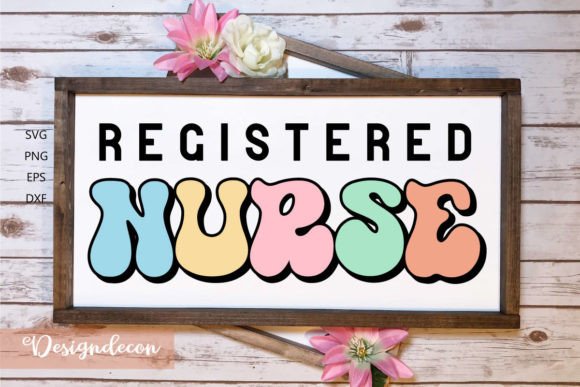
Registered Nurse Retro Sublimation SVG
When I first opened the Registered Nurse Retro Sublimation SVG, I felt that immediate rush of nostalgia mixed with purpose. It’s not every day you find a medical career graphic that balances a vintage soul with the clean lines a digitizer desperately needs. As someone who’s spent years picking apart embroidery files, applique designs, and sublimation artwork for real handmade products, my first question is always the same: will this actually look good after a needle hits the fabric? In this case, the answer leans heavily toward yes, with a few important checkpoints every craft business owner should consider before stitching or listing.
First Impressions and the Retro Mood
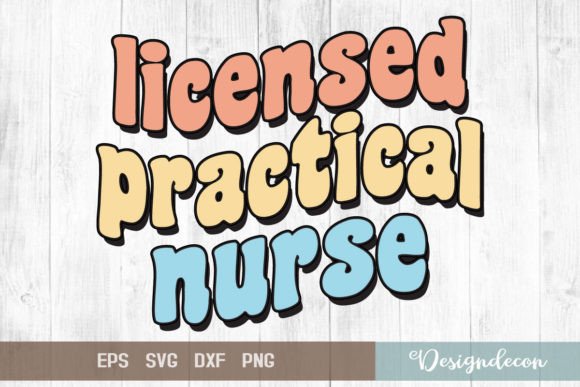
The retro styling here isn’t just a tagline. The design leans into a mid-century medical badge feel, with bold typography, a structured layout, and a color palette that’s easy to reimagine. Because the file is a 100% vector download — EPS, DXF, SVG, PDF, and PNG with transparency at 300 dpi and 3600×3600 pixels — it brings a sharpness that many embroidery designers crave. The shapes feel intentional, not like a quick trace job. The “easy to color change” note is not an exaggeration; the layers separate cleanly, which means you can swap thread colors in your digitizing software without hunting for hidden outlines. That’s a huge time-saver for personalized gift projects where a customer wants a specific teal scrub tone or a hospital badge hue.
Where This Design Truly Belongs
After testing the visual balance, I’d place the Registered Nurse Retro Sublimation SVG squarely in the “heartfelt professional gift” category. It’s not a cutesy cartoon. It carries a quiet dignity that respects the nursing career. That makes it a natural fit for custom apparel like sweatshirts, hoodies, and structured tote bags, especially for graduation gifts, retirement parties, or Nurses Week surprises. I can also see it shining on a crisp kitchen towel as a thank-you gift, or scaled down slightly for an embroidered patch on a lab coat or scrub cap. Because the design is easy to resize — another genuine advantage — you can adapt it from a large back panel for a denim jacket to a compact chest emblem on a polo shirt, without losing the crispness that machine embroidery demands.
Real Embroidery Scenario: The Nurse Appreciation Tote
Let me walk you through a realistic project that came to mind while reviewing the file. A friend runs a small Etsy shop and had a customer order a custom appreciation tote for a retired registered nurse. The customer wanted something that looked professional but still had soul. I immediately thought of this design. We planned to embroider it on a heavyweight canvas tote in a cream color. The retro badge shape would sit centered, roughly 7 inches wide, with a satin stitch border and fill stitch interior. Before digitizing, I pulled the SVG into my software, resized it to the target hoop dimensions, and checked the smallest details. The lettering around the badge arc was clean enough to convert without becoming a blurry mess, which is a common pain point with lower-quality downloads. The 3600×3600 px base gave me plenty of resolution to work with even when I zoomed in to tweak stitch angles. The finished tote looked like a boutique item you’d see at a craft fair, not a rushed last-minute print. That’s the power of a well-structured design asset.
What the File Delivers and What You’ll Still Need to Check
The download includes the promised formats: EPS, DXF, SVG, PDF, and a transparent PNG. The vector files are clean, so digitizing for any embroidery machine becomes a straightforward task rather than a headache. The 300 dpi resolution of the PNG is suitable for printable mockups, website previews, or even a quick sublimation test if you decide to offer that as a parallel product. However, it’s important to note that mockups are not included, so you’ll need to create your own presentation images for a craft business or Etsy listing. That’s a minor step, but if you’re a small shop owner who relies on ready-made lifestyle shots, factor in the time to photograph your finished product or build a digital preview.
Because the product description doesn’t specify stitch count, exact hoop sizes, or commercial license terms, you must test those on your own system. The file is a graphics file, not a pre-digitized embroidery file. That means you’ll need to handle the digitizing process yourself or hire a professional. Check your license carefully before selling finished items. Most vector marketplace purchases allow commercial use on physical products, but never assume. Always verify, especially if you plan to sell the design as part of a digital embroidery file bundle or digital product.
Handling Small Details and Delicate Areas
When I evaluate a design for real-life embroidery, I zoom in mercilessly. The Registered Nurse Retro Sublimation SVG has a few tight spots, particularly around the inner text and any thin decorative lines. If you’re stitching on a small hoop, say 4×4 inches, those areas might need slight simplification. Thin fabric or stretchy garments like t-shirts can also cause tiny lettering to pull or distort. I’d recommend testing on a scrap of the same fabric first, using a quality cutaway or tear-away stabilizer depending on the knit. If you plan to embroider on a curved surface like a cap, pay attention to the badge’s outer ring. A slight distortion from the cap’s crown can make a perfectly circular border look wobbly. You might need to adjust the design in your digitizing software to compensate, or reserve this design for flatter surfaces like tote bags, pillow covers, or the back of a sweatshirt.
Dark fabric is another consideration. The retro vibe often uses lighter, vintage-inspired colors. If you stitch on a dark navy or black background, the contrast might wash out unless you intentionally shift the thread palette. The file’s easy color change feature helps here: you can swap dark outlines for a lighter thread, or add a subtle underlay to keep the design legible. Always test a black-and-white mockup of your stitch file to see if the design still reads clearly; a good embroidery file should hold up even without color.
How the Design Affects Perceived Product Value
From a buyer’s perspective, a well-executed retro nurse design immediately elevates a handmade product. It signals thoughtfulness and professionalism. When a customer sees this on a personalized gift, whether it’s a baby blanket for a nurse’s new arrival, a holiday pillow cover, or a wedding gift for a nurse marrying a fellow healthcare worker, they perceive a higher level of care. The vintage badge style feels timeless, not trendy, so the product won’t look dated next year. That’s a huge advantage for Etsy sellers and boutique owners who want their inventory to stay relevant. The design also lends itself to brand consistency; if you run a small shop specializing in medical career apparel, this file can become a signature piece that ties your collection together.
Practical Designer Notes Before You Stitch
After years of trial and error, I’ve built a mental checklist that I run through with every new embroidery file. I’ll share the version that applies directly to the Registered Nurse Retro Sublimation SVG.
- First, open the SVG in your digitizing software and check the number of nodes. Clean vector files mean fewer jagged stitches. This one passed.
- Test the design on a scrap of the exact fabric you’ll use for the final product. Cotton canvas, fleece, and jersey knit each behave differently.
- Review stitch density. The retro badge style often includes large fill areas; if you pack stitches too tightly, you risk puckering or a stiff hand feel. Adjust the underlay and density according to your fabric.
- Confirm your hoop size. While the design is easy to resize, you need to know the maximum stitchable area of your machine’s hoop before you scale. Don’t guess.
- Experiment with thread color contrast. Use the design’s layering to test two or three color palettes. A retro pastel scheme might look stunning on a cream towel, but a bolder red-and-gold version could be perfect for a holiday gift.
- Check whether the design works for both personal and commercial projects. Look at the seller’s license terms. If you can’t find them, message the seller before using the file on items you plan to sell.
- Inspect tiny lettering on a test stitch-out. If the smallest text measures less than 0.25 inches tall, you might need to enlarge it or simplify the font. Thin serif details can turn into blobs on a fuzzy towel.
- Use proper stabilizer. For the tote bag scenario, I used a medium-weight cutaway. For a sweatshirt, I’d add a fusible mesh to prevent the design from sinking into the fleece.
- Compare light and dark fabric backgrounds. The design’s transparent PNG lets you overlay it on a photo of your fabric to preview how it reads before you commit.
- If you plan to offer this as a digital embroidery file or digital product preview, remember that the download is a graphics asset, not a stitch-ready embroidery file. You’ll need to digitize it yourself and clearly state what you’re selling.
Final Thoughts
The Registered Nurse Retro Sublimation SVG is a solid, versatile design asset that understands its audience. It brings a vintage authenticity that crafters, small business owners, and apparel decorators can genuinely use. The file quality is high, the resizing and color change features are real, and the transparent PNG makes it easy to slot into printable mockups or sublimation side projects. Just remember that the jump from a graphics file to a finished embroidery product requires your own digitizing skill and common-sense testing. Treat it as a well-drawn blueprint, not a push-button solution. If you’re willing to put in that effort, this design will reward you with products that feel like they came from a high-end boutique rather than a mass-produced rack. For anyone building a line of nurse appreciation items, medical career gifts, or personalized handmade products, this file deserves a spot in your design library.