Santa's Favorite ER Nurse: Embroidery Design Review
First Look at the Holiday Humor and Heart
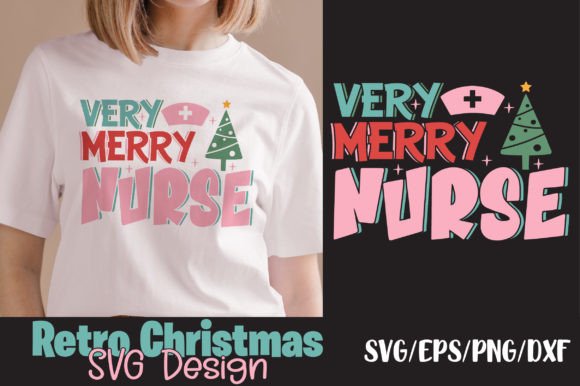
When I opened Santa s Favorite ER Nurse, Winter Break, the first thing that struck me was the playful balance between festive cheer and genuine appreciation for healthcare workers. The design doesn't feel like a generic Christmas graphic slapped onto a medical theme. It carries a specific warmth that would resonate with anyone who knows an ER nurse working through the holidays. The layout feels intentional, with enough breathing room between elements that I immediately started picturing it stitched onto a soft cotton sweatshirt for a client order.
From a design perspective, the mood lands somewhere between whimsical and heartfelt. The holiday references are clear without being overwhelming, which matters a lot when you're thinking about how a finished embroidered product will actually look after twenty washes and daily wear. The visual personality leans confident and slightly cheeky, exactly the kind of thing a nurse would laugh at during a chaotic December shift.
Where This Design Naturally Belongs
I kept circling back to a specific project while examining Santa s Favorite ER Nurse, Winter Break. A small shop owner I know runs a boutique that sells embroidered crewnecks and tote bags aimed at medical professionals. She struggles every winter to find designs that feel personal rather than mass-produced. This one solves that problem. It would sit beautifully on a heavyweight canvas tote bag, the kind a nurse might carry to a twelve-hour shift stuffed with snacks and a change of scrubs. The theme reads immediately, which matters at craft fairs where you have about three seconds to catch a buyer's attention.
Beyond tote bags, I see this working on a cozy pullover hoodie, a kitchen towel for a nurse's holiday gift, or even a pillow cover for a break room couch. The design has enough structure to hold up on a structured apron too, which opens up possibilities for personalized gifts from grateful patients or family members. The Graphics nature of the file means you can scale thoughtfully before committing to stitches, and that flexibility is exactly what small business owners in the Crafts space need when they're testing new product ideas.
Stitching Reality Checks and Fabric Considerations
Let me talk about what happens when you actually take Santa s Favorite ER Nurse, Winter Break into an embroidery project. The first practical concern is always stitch density. If the design features lettering or decorative accents packed too tightly, you'll end up with puckering on lightweight fabrics. I would strongly recommend testing this on a scrap piece of cotton twill before loading a customer's expensive French terry sweatshirt onto your hoop. The machine embroidery design needs to breathe, especially around any text elements where satin stitches might pull if the density isn't dialed in.
For small hoop sizes, you'll want to check whether the detail holds up at reduced dimensions. Designs with fine detailing or tiny lettering can become illegible when scaled down for a baby onesie or a cap front. I've ruined enough test patches to know that what looks crisp on screen can turn into a muddy blob on fabric. If you're planning to use this as an embroidered patch, the edges need to be clean and the overall shape should feel intentional when trimmed and finished with a merrow border or satin edge.
Dark fabric presents another layer of consideration. A design that pops on a white mockup can disappear on a navy sweatshirt. I always test my embroidery file on both light and dark backgrounds before committing to a production run. Thread color contrast matters enormously here. If the design uses white or light-colored elements, they'll shine on a dark base. But mid-tone details might need adjusting. A printable mockup can help you visualize the final look, but nothing beats an actual stitch-out on the fabric you intend to sell.
Thread Choices and Texture Decisions
When I evaluate a digital embroidery file like this one, I think about the thread palette before I even open my stabilizer drawer. A holiday-themed design with a medical twist calls for thoughtful color selection. You want the festive reds and greens to feel rich without looking cartoonish. A metallic gold thread for accent elements could elevate the finished product significantly, especially if you're selling handmade product at a premium price point. But metallic threads run hotter and require slower machine speeds, so factor that into your production time.
The fill stitch areas should be dense enough to cover the fabric underneath but not so heavy that the garment feels stiff. A satin stitch on lettering needs smooth edges and consistent tension. If the design includes any running stitch details, those should be long enough to avoid looking dashed or broken. I've seen designs where the running stitches were too short, and the result looked like a perforated line rather than a deliberate decorative element. That's the kind of detail that separates a professional finished product from something that looks amateurish.
Real-Life Project: The Holiday Tote Bag Scenario
Last week, I had a customer reach out about creating a custom embroidered tote bag for her daughter, an ER nurse working through Christmas. She wanted something that acknowledged the hard work without being saccharine. I immediately thought of Santa s Favorite ER Nurse, Winter Break for this project. The design's tone walks that line perfectly. I planned the stitch-out on a medium-weight canvas tote in natural cotton, using a cutaway stabilizer to support the stitching through repeated use. The tote would be tossed into cars, stuffed under desks, and probably washed more often than recommended. The embroidery needed to survive all of that.
Before committing, I checked the hoop size against my machine's capabilities. A design that fits a standard hoop saves time and frustration, especially when you're producing multiple units for a craft business. I also reviewed the design in grayscale to understand how the values would translate once thread replaced pixels. This step is crucial for Etsy seller workflows where you're listing products based on digital previews. What customers see on screen should match what arrives in their mailbox.
Commercial Use and Licensing Awareness
If you're planning to sell finished products featuring Santa s Favorite ER Nurse, Winter Break, you need to confirm the licensing terms before you stitch a single item. The product description indicates this is a digital product delivered in SVG, PNG, EPS, and DXF formats, which means it can be cut using a Cricut machine. But that doesn't automatically grant commercial embroidery rights for resale. Always verify whether the license covers physical product sales, how many units you can produce, and whether attribution is required. Protecting your small shop product reputation means staying on the right side of intellectual property from day one.
For custom apparel projects, the SVG format gives you flexibility to adjust the design before digitizing it for embroidery. You can separate elements, resize components, or modify colors to match a client's brand. The PNG provides a quick preview option for mockups, which helps when you're pitching ideas to customers who need to visualize the final product. The EPS and DXF formats add compatibility with various software workflows, which matters if you're collaborating with other designers or print shops.
Where to Be Careful and Smart
Like any design destined for holiday embroidery, this one requires some strategic thinking about placement. Curved surfaces like caps and hats demand careful hooping and possibly a design that arcs naturally. A flat rectangular composition might fight against the curve of a baseball cap, creating distortion at the edges. Test placement on a similar curved surface before offering cap embroidery to customers. I learned this lesson the hard way with a different design that looked beautiful on a flat sweatshirt but stretched awkwardly on a cap crown.
Stretchy fabrics like performance blends or thin jersey knits need extra stabilizer support. A tote bag design on woven cotton behaves differently than the same design on a stretchy baby onesie. For baby embroidery projects, I always use a soft backing that won't irritate sensitive skin, and I keep stitch density on the lighter side to maintain fabric flexibility. No parent wants a stiff embroidered patch scratching their infant's chest.
Layered garments with zippers, seams, or pockets near the embroidery area complicate hooping. If the design falls close to a zipper, you risk hitting it with your needle, which damages both the needle and the garment. Always check the placement against the actual garment construction, not just the flat mockup. This is where experience with embroidery project planning really pays off.
How Buyers Respond to the Design
In my experience, designs that combine profession-specific humor with holiday themes tend to perform well at craft fairs and in Etsy shops. The ER nurse angle is specific enough to feel personal but broad enough to appeal to a wide audience. Friends and family members of nurses are always looking for gifts that acknowledge the reality of the job. A personalized gift like an embroidered sweatshirt with this design says, "I see how hard you work," without needing a long note. That emotional connection drives buyer engagement and repeat purchases.
From a brand consistency standpoint, this design fits into a niche that many small shops overlook. Medical professionals represent a massive market of people who appreciate quality, durable products that reflect their identity. A well-executed sweatshirt embroidery using this design builds trust with customers who might return for holiday gifts, graduation presents, or appreciation items year after year. The professionalism of your stitch-out communicates more about your brand than any logo ever could.
Final Practical Notes for Makers
Before you list a product featuring Santa s Favorite ER Nurse, Winter Break, do a full wash test on your finished sample. Check for thread bleeding, fraying, and how the stabilizer holds up after drying. Photograph the washed piece next to a fresh one to document any changes. This transparency builds customer trust and sets realistic expectations. If the design holds up beautifully, you have a powerful selling point. If it doesn't, you know to adjust your materials or warn customers about care instructions.
For design assets and preview listings, use clean, well-lit photos that show the texture of the stitching. Flat lays work well for tote bags and pillow covers, while lifestyle shots on actual people help customers imagine the finished product in their own lives. The digital product previews you create should accurately represent the stitch quality and color fidelity. Nothing erodes buyer confidence faster than a product that looks drastically different from its listing photos.
Ultimately, Santa s Favorite ER Nurse, Winter Break brings a smart, well-timed aesthetic to an underserved corner of the holiday embroidery market. It understands its audience, it translates well to fabric when handled with care, and it offers the kind of giftability that keeps customers coming back. Whether you're stitching for a single personalized gift or scaling up for a commercial embroidery run, the design delivers where it counts. Just remember to test, adjust, and always keep your recipient's daily reality in mind. That's what separates a forgettable product from one that gets worn until the threads start to fade.