Nurse in Training SVG: A Designer's Practical Review
First Glance: The Mood That Hits You First
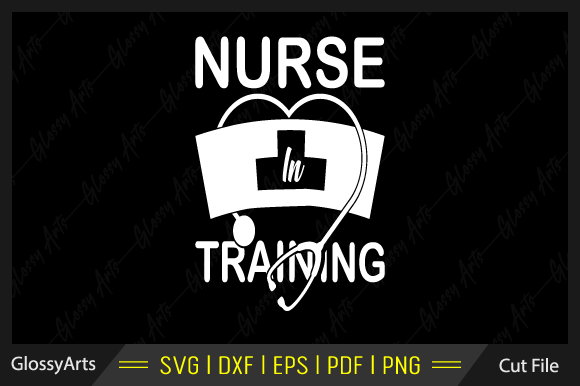
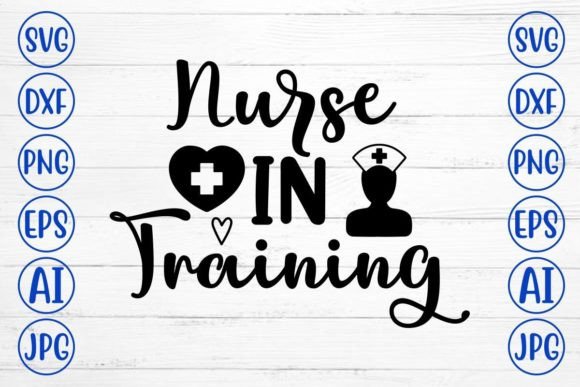
When I opened the Nurse in Training SVG folder, the first thing that struck me was how instantly readable the design felt. It is not overly complicated. It does not try to do too much. That restraint is actually a strength in the machine embroidery design world. You can tell within seconds that this was built with clean silhouettes and a clear focal point, which matters enormously when you are planning how a design will translate from screen to thread.
The theme carries a gentle, proud energy. It leans into the warmth of the nursing profession without feeling stiff or overly formal. For anyone who has ever stitched a personalized gift for a nursing student or a newly graduated nurse, you know how important that emotional tone is. The design lands somewhere between celebratory and heartfelt, and that gives it wide appeal across different products.
Where This Design Naturally Belongs
I tend to mentally sort every embroidery file into a project category the moment I see it. This one immediately called out for soft goods. Think custom apparel like a cozy sweatshirt, a structured tote bag, or a high-quality kitchen towel. It has that clean, centered presence that works beautifully on a tote bag design or a sweatshirt embroidery placement, especially when you want the design to be the hero of the product.
I could also see it thriving on a baby embroidery project. Picture a tiny onesie or a nursery blanket with this stitched in soft pastel thread. The theme translates surprisingly well into baby gifts, particularly for families where a parent is in nursing school. That dual-purpose flexibility is a real asset for Etsy sellers and craft business owners who need designs that work across multiple product categories.
The Real Test: Imagining It on a Finished Product
Let me walk you through a real scenario. I was preparing a mockup for a client who runs a small boutique shop. She wanted a custom embroidered canvas tote for nursing students, something they could carry to clinical rotations. The brief was simple: the design had to feel professional but personal, and it had to stitch cleanly on medium-weight canvas.
I loaded the Nurse in Training SVG into my software and started checking the layers. The file package includes a solid range of formats, which is always appreciated. You receive a ZIP folder containing one AI, one EPS, one SVG, one PNG, one DXF, and one JPG. Having both vector and raster options means you can move between embroidery digitizing software and printable mockup creation without friction. That is a practical advantage I do not take for granted.
On screen, the design held its shape well when I scaled it to fit a standard tote bag front panel. I kept the width around seven inches, which gave enough presence without overwhelming the bag. The lettering stayed legible, and the graphic elements did not collapse into each other. That is a good sign before you even thread the needle.
Stitching Behavior: What to Expect
Every experienced embroiderer knows that a pretty screen preview does not guarantee a clean stitch-out. With this design, I would expect the main shapes to work well as a combination of satin stitch outlines and fill stitch interiors. The visual weight is distributed evenly, which usually means fewer tension issues and less puckering on stable fabrics.
If you are digitizing or using a pre-digitized version, pay close attention to stitch density in the finer details. Any design with text elements needs careful density adjustment. Too dense, and you risk thread breaks and a stiff feel. Too light, and the lettering looks weak and unfinished. I recommend testing on a scrap of your actual project fabric first. Run one stitch-out, check the clarity, and adjust if needed before committing to the final product.
Fabric Pairings That Make the Design Shine
I would pair this design with medium-weight cotton, cotton-linen blends, or quality canvas. These fabrics provide a stable foundation and let the stitches sit on top with crisp definition. On a pillow cover or a tea towel, the design would look polished and intentional. On a structured apron, it would feel right at home in a handmade product collection.
For baby clothes or lightweight knit garments, you will want to use a quality cut-away stabilizer. The design has enough surface area that you need to prevent stretching during the stitch-out. No one wants a beautifully embroidered onesie that warps after the first wash. A little extra stabilizer care goes a long way toward a professional finished product.
Where to Be Extra Careful
I would think twice before placing this design on highly textured fabrics like thick terry cloth or heavily napped fleece. The detail level, while not extreme, still benefits from a smooth stitching surface. Dark fabric is also worth a pause. The design's visual impact depends on contrast, so if you are stitching on charcoal or navy, test your thread colors carefully. What looks bold on a white screen may feel muted against a dark background if you do not choose the right thread shades.
Small hoop sizes are another consideration. If you try to cram the design into a four-by-four-inch hoop, you may lose the finer details and make the lettering difficult to read. I would keep the design at a size where every element breathes. That usually means a larger hoop, which is worth the trade-off for a cleaner result.
Curved surfaces like caps and hats can also be tricky. The design's centered, balanced layout works on a cap front, but you need to be precise with placement and hooping. Test on a practice cap before running a batch, especially if you are selling finished products at a craft fair or through an online shop.
How Customers Perceive This Design
From a buyer's perspective, the Nurse in Training SVG communicates thoughtfulness. It is not a generic medical symbol. It feels like someone chose it specifically for a nursing student or a newly licensed nurse. That specificity builds customer trust and makes the product more giftable. When a customer sees this on a custom apparel item or an embroidered patch, they immediately understand who it is for. That clarity shortens the buying decision, which is a quiet advantage for any small shop product listing.
I also appreciate that the design does not rely on trendy elements that will date quickly. The theme is enduring. Nursing is a timeless profession, and a design that honors that journey will stay relevant across seasons. For creative entrepreneurs building a product catalog, that longevity matters more than chasing a fleeting trend.
Practical Notes for Sellers and Makers
Before you list this design on a finished product or offer it as a digital embroidery file, here are a few things I always check:
- Test on scrap fabric first. Even if you have used similar designs before, every file behaves differently. A quick test stitch saves you from wasted blanks and frustrated customers.
- Check thread color contrast. View the design in grayscale to see how the values hold up. This helps you pick thread combinations that stay readable on any fabric color.
- Review stitch density. If you are doing the digitizing yourself, adjust density based on your fabric type. Dense areas on thin fabric can cause puckering.
- Confirm your hoop size. Make sure the design fits comfortably within your available hoop dimensions without forcing it too small.
- Inspect small details. Zoom in on the lettering and any fine graphic elements. Check that they are large enough to stitch cleanly.
- Use proper stabilizer. Match your stabilizer to your fabric. Cut-away for knits, tear-away for wovens, and always test if you are unsure.
- Check licensing before selling. The product description states this is a digital download only, so confirm what commercial use is allowed before you sell finished items or include the design in a craft business product line.
File Formats and Workflow Fit
The ZIP folder you receive contains one AI, one EPS, one SVG, one PNG, one DXF, and one JPG. This is a solid set of design assets that covers most creative workflows. The SVG format is particularly useful for resizing without quality loss, and the PNG gives you a quick preview option for printable mockup creation. The DXF file is a nice inclusion for those who work with cutting machines alongside embroidery setups.
One thing to note: these are artwork files, not pre-digitized embroidery files. You will need to digitize the design for your specific machine and project. If you are new to digitizing, the clean lines and clear separation in the SVG make for a gentler learning curve. The design is not overly complex, which means fewer headaches when you are mapping out stitch types and directions.
Final Thoughts Before You Stitch
After spending time with the Nurse in Training SVG, I can say it earns its place in a maker's library. It is not flashy, but it is useful. It translates well across products, feels emotionally resonant, and gives you enough creative room to adapt it to your brand style. Whether you are stitching a single personalized gift for a friend or producing a small batch of handmade product inventory for your shop, the design holds up where it counts.
For embroidery designers and apparel decorators, this is the kind of design that becomes a quiet workhorse. It fits into holiday gift collections, graduation season, nursing school celebrations, and everyday appreciation items. If you treat it with the right fabric, the right stabilizer, and a thoughtful eye for stitch quality, the finished product will look like it came from a seasoned professional. And that is exactly the impression you want to leave with every item you create.