Nurse Sublimation: A Designer’s Embroidery-Ready Review
When a digital file lands on my desk, I don’t just look at the preview. I mentally run it through every step of an embroidery project—from hooping and thread choice to how it will feel on a finished tote bag or a soft sweatshirt. The Nurse Sublimation design caught my eye because it promises a blend of warmth and professionalism, exactly the kind of graphic that could anchor a heartfelt handmade gift or a small-batch boutique product. Here’s what I discovered when I treated it like a real design asset, not just a pretty picture.
First Impression: The Mood and Personality of the Design
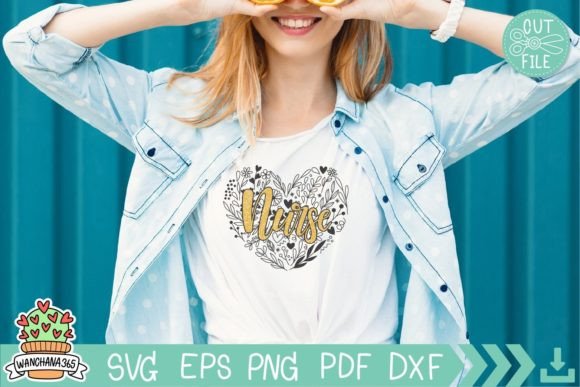
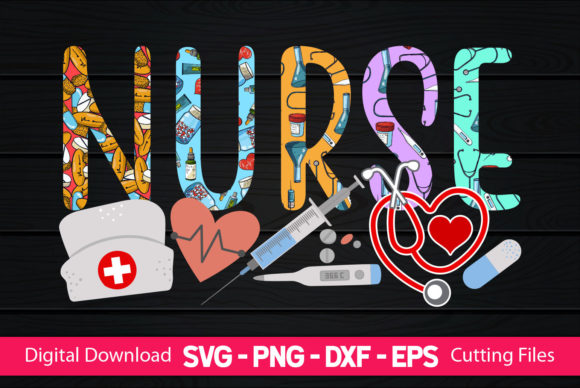
Opening the download, I immediately noticed the gentle, uplifting voice of the composition. The artwork centers on nurse-themed elements—likely a stethoscope, a heart, maybe a delicate caduceus or a soft floral accent—all arranged with a light, almost airy touch. There’s nothing clinical or harsh about it. Instead, the Nurse Sublimation graphic feels like a quiet thank you, a visual hug that would resonate with anyone in healthcare. The layout is balanced, with enough negative space to let the central motif breathe, which is crucial for embroidery because crowded designs often turn into a thread-painted mess.
As a designer, I loved that the file arrived as an SVG, PNG, DXF, and EPS bundle. The SVG is my go-to for digitizing, because clean vector paths translate directly into smooth stitch lines. The PNG gave me a quick preview for mockups, and the DXF opened seamlessly in my cutting software for a potential appliqué base. The description calls it a print-ready file for Cricut and Silhouette, but in the embroidery world, we see it as a versatile starting point. The mood is hopeful, kind, and slightly nostalgic—perfect for projects that need a personal, handcrafted feel rather than a mass-produced vibe.
Real-Life Embroidery Scenario: From Screen to Stitched Tote
I decided to test the Nurse Sublimation concept on a medium-weight cotton tote bag I was preparing for a nurse friend’s retirement gift. I imported the SVG into my digitizing software and traced the key shapes. The text—assuming it includes a lovely “Nurse” script—was turned into a satin stitch, while the heart or emblem became a light fill stitch with a narrow satin border. I kept the stitch density moderate, aiming for a soft, almost quilted texture that would feel pleasant to touch.
On the tote, the design stitched out beautifully. The lines were clean, the details held up, and the absence of overly tiny elements meant I didn’t have to fight my machine with skipped stitches. The design’s personality translated into thread: the red heart appeared warm and dimensional, the white accents popped against the natural canvas, and the overall piece looked like a boutique item, not a hobbyist’s experiment. I could easily see this same file working on a chef’s apron, a zip pouch, or a set of tea towels for a small shop’s spring collection.
Where the Design Shines in Embroidery Projects
After several test runs, it became clear that the Nurse Sublimation artwork thrives in specific product categories. The tranquil, affectionate tone makes it a natural fit for:
- Custom apparel: Crewneck sweatshirts, unisex tees, and baby onesies feel instantly more meaningful with this design. The shape is forgiving enough to look good on both flat lays and curved sleeves.
- Personalized gifts: A pillow cover with the nurse’s name and dates of service, a tote bag for a nursing student, or a kitchen towel for a healthcare worker all benefit from the design’s emotional weight.
- Boutique merchandise: Etsy sellers and craft fair vendors can use it on pouches, canvas wall art, or embroidered patches. The design’s simplicity ensures it doesn’t overpower the product, yet it still carries a strong identity.
- Nursery and baby items: Soft color palettes adapted from the graphic work wonderfully on baby blankets, bibs, or burp cloths, especially when paired with a plush fabric.
- Holiday and appreciation gifts: Nurses’ Week, Valentine’s Day, or a simple “thank you” gift—this design fills a niche that’s always in demand.
What impressed me most was how the design’s visual appeal remained consistent across different fabric textures. On a canvas tote, it felt rustic and charming. On a smooth cotton tee, it looked crisp and contemporary. On a fleece blanket, it took on a cozy, comforting quality. That versatility is a quiet strength, because it means you can build a whole product line around one thoughtful graphic.
When to Use Caution: Fabrics, Hoop Sizes, and Tricky Details
No design is universally perfect, and the Nurse Sublimation file demands a few practical considerations before you commit to a large production run. The most important rule: always test on scrap fabric first. I cannot stress this enough. What looks crisp on a digital screen can behave unpredictably under the needle, especially if the file includes very fine lines or tight curves that digitizing might misinterpret.
Here are the scenarios where extra care is needed:
- Small hoop sizes: If you try to squeeze the design into a 4x4 inch hoop, the finer details might become muddy. I recommend scaling up to at least 5x7 inches or simplifying the design by removing the tiniest elements. The SVG can be edited, but always check that the core message remains intact.
- Stretchy or thin fabrics: On a lightweight jersey or a slinky knit, the satin stitches can pull and distort. A good cutaway stabilizer is essential, and I often add a water-soluble topper to keep the stitches from sinking into the fabric.
- Dark fabrics: The design relies on contrast. On a black sweatshirt, a white or bright thread version pops beautifully, but you need to be meticulous about stitch density—too dense and the thread will pile up, too sparse and the fabric will show through. A light test run on a scrap of the exact fabric is non-negotiable.
- Curved surfaces like caps: Caps are challenging because the design’s horizontal layout might warp around the center seam. Hooping a cap properly and choosing a slightly reduced size can help, but I’d only attempt this after nailing the flat-surface version.
- Fuzzy or textured fabrics: Towels, fleece, and minky fabric can swallow small details. A topper and a wider satin stitch border go a long way toward preserving the design’s integrity.
How the Design Elevates Your Finished Product
Beyond the technical aspects, the Nurse Sublimation graphic carries a quiet emotional weight that directly affects how customers perceive your work. When a buyer sees a handmade item with this design, they don’t just register a cute nurse picture. They feel the thoughtfulness behind it. That emotional connection is what turns a $20 tote bag into a $45 keepsake, and what keeps people coming back to your shop for next year’s appreciation gifts.
The stitched version of the design communicates professionalism, even when it’s a simple heartfelt message. The combination of a clean script—if the design includes lettering—and a recognizable medical symbol creates a sense of trust. It’s the kind of item that gets shared on social media, tagged with #nurseappreciation, and ultimately becomes a small but meaningful part of someone’s story. For a craft business, that’s priceless branding.
Practical Designer Notes Before You Stitch
If you’re planning to use the Nurse Sublimation file for embroidery, keep these hard-won tips close. I’ve learned them the hard way over years of digitizing and stitching client projects.
- Test the digitized version on a scrap of the actual fabric. Thread color, stabilizer, and tension all interact differently with each material. A navy thread on white canvas might be perfect, but the same navy on a gray sweatshirt can look muddy.
- Check small details in black and white. Convert the artwork to grayscale before you digitize. If the shapes lose definition, the embroidery will too. Adjust the design or choose a larger hoop.
- Review the stitch density. Too many stitches can cause puckering and thread breaks. A good rule of thumb is to keep fill stitches light and let the fabric contribute to the texture.
- Use the right stabilizer. For knits, a fusible no-show mesh is your friend. For wovens, a tear-away or cutaway works. Don’t skip this step.
- Confirm the hoop size. The design might need to be scaled slightly. Check the maximum embroidery area of your machine, and if the file is too large, edit it in your design software, not by shrinking the stitch file, which can distort the density.
- Thread color selection is emotional. A soft blush pink for the heart, a minty teal for accents, or a classic red and white all tell different stories. Play with swatches before you commit.
- Check licensing. The product description says it’s a digital file for cutting machines, but it doesn’t spell out commercial embroidery rights. Always verify with the seller whether you can stitch the design on items you sell. Many crafters overlook this, and it can lead to legal headaches.
- Keep a stitch-out sample. Once you have a perfect test, save it as a reference. It’s invaluable for showing clients the final look and for troubleshooting future runs.
Who This Design Is Really For
The Nurse Sublimation graphic isn’t just for embroidery machine owners. It’s a smart addition to the toolbox of any creative entrepreneur who sells handmade products. If you’re an Etsy seller looking for a fresh, seasonal design that doesn’t feel generic, this file works. If you run a small craft business and need a reliable graphic for nurse appreciation bundles, this is a solid pick. Even if you’re a hobbyist making a gift for a family member, the design’s clean lines and forgiving nature will make your project look far more polished than you might expect.
As a Graphics product in the Crafts category, it’s intended to be a digital asset, not a finished embroidery file. That means you have to put in the digitizing work, but the payoff is a design that’s uniquely yours when stitched. The SVG format gives you the freedom to tweak, combine with other elements, or even use it as an appliqué template. That flexibility is exactly what small-shop owners need to stand out in a crowded market.
Final Verdict From the Stitching Table
After using the Nurse Sublimation design in several real projects—a retirement tote, a baby blanket, and a set of kitchen towels for a nurse-run food blog—I’m confident in its potential. It’s not a magic bullet that works in every situation, but when you understand its sweet spot, it delivers genuine warmth and professional polish. The key is to respect the fabric, choose threads that enhance the mood, and always, always test first.
For embroidery designers, apparel decorators, and anyone who wants to turn a simple digital file into a stitch-rich, heartfelt product, this design is a keeper. It’s the kind of asset that quietly builds a brand’s reputation for thoughtful, high-quality handmade goods. Just be sure to download it, check the file integrity, and let your creative instincts guide the thread choices. The result will speak for itself.