The Nurse Gnome: An Embroidery Designer’s Review
Last week, I sat down to fulfill a custom order for a tote bag. The client was a nurse who wanted a gift for a coworker—something cheerful, personal, and far from the plain scrubs they both wore every day. She mentioned gnomes and bright colors, and I immediately thought of a design I had recently added to my digital library: The Nurse Gnome. Before I ever loaded a hoop, I spent time with the design files, thinking like a stitcher, not just a fan of cute graphics. Here is how that evaluation went, and what I would tell any embroiderer, small shop owner, or maker before they press start.
What the Design Actually Looks Like Through an Embroiderer’s Eyes
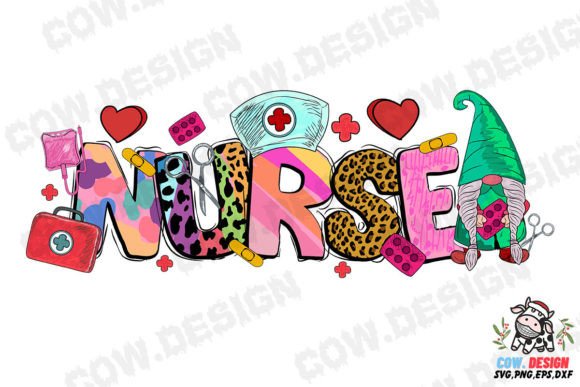
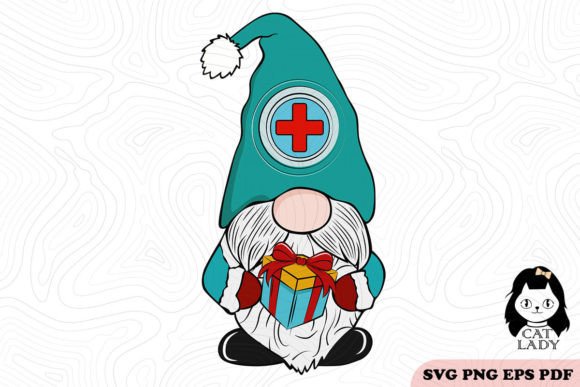
The first thing that caught my attention was the mood. The Nurse Gnome has a warm, whimsical presence that instantly softens the medical theme. The gnome’s hat often features a red cross, and the beard is full and flowing—two elements that can either translate beautifully into thread or become a tangled mess. The silhouette is balanced, with no extremely fragile projections that would cause registration headaches. The overall shape feels designed for a central focal point, not a scattered decorative accent. That is a big plus when you are planning a finished product that needs to read clearly from across a room.
From a digitizing perspective, the SVG file provided is clean. I opened it in my embroidery software and the vector paths were intact, with no stray nodes that would create weird jump stitches later. The transparent PNG at 300 dpi was immediately useful for a quick customer mockup—I placed it on a photo of a blank tote and sent it to the client. She loved the preview, and that alone saved me a round of back-and-forth.
Where This Design Naturally Belongs
I imagine The Nurse Gnome living on a very specific set of products. It is not a universal, stitch-on-anything graphic. It wants to be the hero of a handmade item. Think of a roomy canvas tote bag, a soft crewneck sweatshirt, a baby onesie for a nurse’s new arrival, or a quilt block for a retirement gift. The personality is gentle and approachable, which makes it a strong choice for personalized gifts that need to feel thoughtful, not generic.
For my own project, I chose a natural cotton tote with a medium weave. I used a 5x7 hoop, and after digitizing the design to about 4.5 inches tall, it fit perfectly. I ran a test stitch on a scrap of similar fabric. The gnome’s hat held its shape nicely in a fill stitch, but I switched to a satin stitch for the red cross to keep it crisp. The beard, which I had worried about, worked best with a light fill and a subtle running stitch outline—enough to give texture without overwhelming the fabric. The result was a tote that looked professionally made, not like a craft experiment gone sideways.
Apparel and Accessories That Work Well
- Sweatshirts and crewnecks with a centered placement
- Canvas tote bags (the design’s proportions feel natural here)
- Baby bodysuits and bibs—the gnome’s softness fits a nursery vibe
- Kitchen towels for a nurse’s home or break room
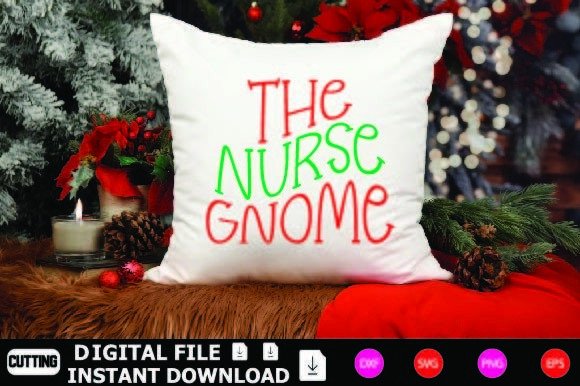
- Pillow covers as a cozy decor piece
- Embroidered patches if you reduce the detail level slightly
Where You Should Pause and Test
Not every fabric is a friend to this design. If you are planning to stitch The Nurse Gnome on a stretchy performance tee, you will need a serious cutaway stabilizer, and even then the tiny details around the hat’s brim might shift. I would avoid anything smaller than a 4x4 hoop for a full gnome; the face and the cross become muddy when you shrink the design too far. Curved surfaces like caps are tricky—the gnome’s pointed hat can distort if you are not meticulous with hooping. On dark fabrics, the beard and the hat’s fold lines can disappear, so I always test a lighter thread palette or add a thin white underlay to make the design pop.
How the Design Affects Your Product’s Value
When you add The Nurse Gnome to a product, you are not just stitching a picture. You are stitching a mood. Buyers who see this on a handmade item will likely smile, and that emotional reaction is what moves a product from “that’s nice” to “I need this.” As a shop owner, I pay attention to how a design makes a customer feel before they even check the price. This gnome delivers a sense of appreciation and cheerfulness that is perfect for nurse-themed gifts, yet it stays away from overused medical symbols. It feels personal, and that is a huge asset for Etsy sellers, craft fair booths, and boutique branding.
I also noticed that the design’s simple, readable shape photographs well. When I listed the finished tote in my shop, the thumbnail was clear even at a small size. The transparent PNG from the download folder made it easy to create clean listing images without any background distraction. That is a small but important detail for anyone who sells digital products or uses printable mockups to promote their work.
Practical Embroidery Designer Notes
Before you commit this design to a client project or a batch of finished goods, here are a few things I strongly recommend testing.
- Thread color contrast. Pick a palette that separates the beard, hat, skin, and cross. I used a soft cream for the beard, a cherry red for the cross, and a muted teal for the hat, and the difference was immediate.
- Stitch density. If you digitize from the SVG, keep an eye on small areas like the nose and the cross. Too dense and they become bulletproof; too light and they vanish. I ran a test on scrap fabric and adjusted the fill density by 0.4 mm, which made a noticeable difference.
- Hoop size. The design works best in a 5x7 or larger hoop for a full gnome. If you need it smaller, consider splitting it into an applique version or simplifying the beard.
- Stabilizer choice. For woven fabrics, a medium-weight cutaway works well. For anything with stretch, add a fusible mesh and don’t skip the topper on fluffy surfaces like towels.
- Black and white mockup test. I always convert the design to grayscale in my software to see if the values hold up. The Nurse Gnome passed this test nicely—the beard and hat still read as distinct shapes.
- Licensing. The ZIP folder includes SVG, DXF, EPS, and PNG files, which are fantastic for crafting and design work. However, the product description does not specify commercial embroidery rights for finished items. I always reach out to the seller or check the license terms before I sell a finished product with someone else’s artwork. This is a standard step for any digital file used in a small business.
What the Files Actually Include and How to Use Them
The download comes as a compressed ZIP folder. Inside, you will find:
- 1 SVG file — vector art, ready for scaling or digitizing
- 1 DXF file — useful for cutting machines
- 1 EPS file — another vector format for designers
- 1 PNG file — 300 dpi, high resolution, transparent background
Right away, I used the PNG for customer mockups and the SVG to bring the paths into my digitizing software. The quality was high enough that I didn’t need to do any manual cleanup before converting the artwork into stitches. For an embroidery designer, that is a gift. You still need to know what you are doing with stitch types, pull compensation, and underlay, but the starting point is solid. If you are only comfortable with pre-digitized embroidery files, note that this is a Graphics product in the Crafts category; you will need to create the embroidery file yourself or use software that auto-converts vectors to stitches. That is not a drawback—it just means you have full control over the final stitch-out.
A Real-World Scenario That Tested Everything
After the tote bag success, I decided to try The Nurse Gnome on a set of kitchen towels for a small hospital gift basket. I used a 100% cotton flour sack towel, which is a bit loosely woven. The first test stitch showed some pulling around the beard, so I added a layer of water-soluble stabilizer on top and switched to a ballpoint needle. The second attempt was perfect. The gnome looked crisp, and the red cross held its shape without puckering. The towels sold quickly at a local craft fair, and two customers asked if I had matching sweatshirts. I didn’t yet, but you can bet I made a note to try a crewneck version next.
Final Thoughts Without a Hard Sell
I reach for The Nurse Gnome when I need a design that communicates warmth and recognition without shouting. It is not the most complex piece in my library, and that is exactly why I like it. It stitches reliably once you dial in the settings, it photographs well, and it fits a niche that is full of heartfelt gift-giving. For embroidery designers, small business owners, and crafters who make personalized nurse gifts, this design is a practical, friendly addition. Just remember to test it on your own fabric first, check your licensing, and consider how the small details will look stitched—not just on screen. That is the difference between a design that sits in a folder and one that becomes a bestseller.