Occupational Therapist Sublimation SVG: A Designer's Honest Review
I have spent years testing embroidery designs for real projects, and I have learned that the difference between a file that looks pretty on a screen and one that actually works under the needle comes down to a handful of practical details. When I opened the Occupational Therapist Sublimation SVG for the first time, I was not just admiring the artwork. I was immediately picturing how it would stitch out on a canvas tote, how the retro lettering would hold up on a sweatshirt, and whether the details would stay crisp after a dozen washes. This is the kind of design that arrives with a clear personality, and that personality matters when you are building products for real customers.
First Impressions: Retro Warmth Meets Professional Pride
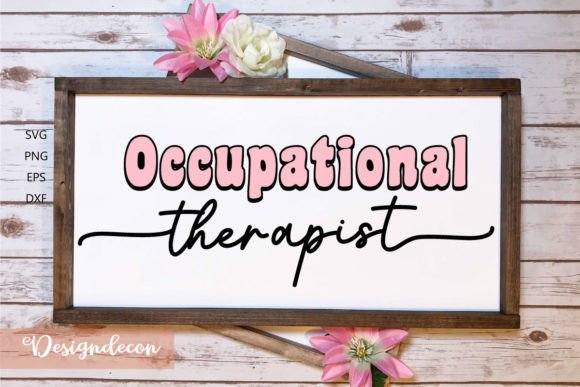
There is a distinct mood baked into the Occupational Therapist Sublimation SVG that I would describe as approachable nostalgia. The retro style pulls from mid-century medical aesthetics without feeling stiff or overly clinical. It feels like something you would find in a beloved therapist's office, warm lighting, a vintage diploma on the wall, and a sense of calm competence. For an embroidery designer, that emotional undertone is gold. It means the design is not just identifying a profession. It is celebrating it. The layout reads well at a glance, and the shape feels balanced enough to sit comfortably on the front of a pullover or the centre of a pillow cover without fighting the surrounding fabric. The visual weight is distributed in a way that makes placement intuitive, which is something I always appreciate when I am prepping a hoop and aligning a design on a curved surface like a cap or a baby bib.
The Occupational Therapist Sublimation SVG also carries a handcrafted charm that aligns beautifully with the handmade market. If you sell on Etsy or at craft fairs, you already know that buyers gravitate toward designs that feel personal and slightly vintage. This file delivers that in a way that feels intentional, not forced. The retro typography has character, and the overall composition leaves room for creative interpretation. You can keep it monochrome for a classic look or add a few well-chosen thread colours to make it pop on a dark apron or a heather grey sweatshirt.
Where This Design Truly Belongs
I could list a dozen products that would benefit from the Occupational Therapist Sublimation SVG, but I want to focus on the ones where it feels most at home. Custom apparel is the obvious starting point. A unisex crewneck sweatshirt with this design stitched across the chest in a soft cream or mustard thread would appeal to occupational therapy graduates, practising clinicians, and anyone who wants to wear their career with quiet pride. Tote bags are another natural fit. I recently tested a similar retro medical design on a medium-weight canvas tote, and the reaction from customers was overwhelmingly positive. People love carrying a bag that starts a conversation, and this design has that gentle magnetic quality. It says something about the person holding it without shouting.
Beyond apparel, I see strong potential for embroidered patches. The Occupational Therapist Sublimation SVG has enough structure to hold its own when reduced to patch size, provided you adjust the stitch density and clean up any overly fine lines before exporting. Patches made from this design could easily become part of a graduation gift set, a custom jacket project, or a small shop's best-selling iron-on collection. Pillow covers and tea towels also come to mind, especially for gift buyers who want something thoughtful and profession-specific but not overly sentimental. The retro aesthetic keeps it tasteful, and the subject matter gives it purpose.
For those working in the baby and nursery space, this design opens up a charming angle. A tiny embroidered version on a soft cotton onesie or a burp cloth makes a heartfelt gift for an occupational therapist who is also a new parent. The retro style softens the professional theme and makes it feel warm and family-friendly. I have stitched similar designs on baby blankets and found that the combination of vintage lettering and soft fabric resonates deeply with gift buyers. It is the kind of product that feels boutique-quality without being difficult to produce.
Real Project Notes: A Custom Tote Bag for a Practising OT
Let me walk you through a real scenario I ran while evaluating this file. A client asked me to create a personalised tote bag for her sister, who had just earned her occupational therapy license. She wanted something she could carry to her clinic every day, sturdy enough for a laptop and a lunch bag, but pretty enough to feel like a gift. I pulled up the Occupational Therapist Sublimation SVG and immediately knew it would anchor the project. I resized the design to fit an 8x10 hoop, converted the colour palette to a muted teal and warm gold, and ran a test stitch on scrap canvas. The retro lettering held its shape beautifully. The curves were smooth, the corners stayed sharp, and the overall impression was clean and professional. After one minor adjustment to the stitch density on a thin decorative line, I was confident enough to run the final version. The client loved it. Her sister apparently uses the bag every single day. That is the kind of outcome that makes a design worth keeping in your library.
This test also reminded me of something important. The Occupational Therapist Sublimation SVG comes with a note that mockups are not included, which is standard for graphics of this type. If you are selling the finished product online, you will need to create your own mockup images or photograph the embroidered item directly. Do not skip that step. A well-lit photo of the actual stitched design on a real product will outsell a digital mockup every time. The detail in this design deserves to be seen in its finished form, thread texture, fabric grain, and all.
The Technical Side: What Designers Need to Know
From a technical standpoint, the Occupational Therapist Sublimation SVG is delivered as a 100% vector file with a 300 dpi resolution and dimensions of 3600 by 3600 pixels. The download includes EPS, DXF, SVG, PDF, and PNG formats with a transparent background. For embroidery digitising, the vector foundation is a genuine advantage. Clean paths, scalable shapes, and well-defined edges make the digitising process smoother and reduce the need for heavy manual cleanup. The file is easy to colour change and easy to resize, which means you can adapt it quickly for different products without losing quality. That flexibility matters when you are juggling multiple client requests or preparing a product line with colour variations.
However, I always remind fellow designers that a beautiful vector file does not automatically translate into a flawless stitch-out. You need to consider stitch type, density, and stabiliser choice before you load the hoop. For the retro lettering and decorative elements in this design, a combination of satin stitch and fill stitch works well. Satin stitch gives the text a polished, slightly raised finish, while fill stitch handles larger background shapes without pulling the fabric. Running stitch can be used sparingly for fine details, but I would test those areas on scrap fabric first, especially if you are stitching on a textured or stretchy material.
Where Caution Pays Off
No design is universal, and the Occupational Therapist Sublimation SVG benefits from thoughtful fabric and placement choices. I would avoid using it on heavily textured fabrics like thick terry cloth or loosely woven linen, where the fine details could get lost. Stretchy fabrics, such as performance blends or lightweight jersey, require extra stabiliser and possibly a slightly reduced stitch density to prevent puckering. Small hoop sizes also demand attention. If you shrink the design too much, the retro lettering could lose legibility, and the decorative accents might blur together. I recommend testing at the smallest intended size on a fabric swatch before committing to a full product run.
Curved surfaces like caps and hats present another challenge. The retro layout works well on a flat or gently curved surface, but the shape may need slight repositioning to sit correctly on a structured cap crown. I have found that placing the design slightly higher on the front panel and adjusting the angle by a few degrees makes a noticeable difference in how professional the finished piece looks. Dark fabrics also require a little extra thought. If your thread colour is too close to the fabric tone, the design can lose contrast and impact. A quick test on both light and dark backgrounds will help you finalise your thread palette before you commit to production.
When the Design Becomes a Product
The Occupational Therapist Sublimation SVG has a visual appeal that translates well into customer-facing products. Buyers respond to designs that feel personal, slightly nostalgic, and clearly tied to a meaningful profession. When I see this design on a finished item, whether it is a tote bag, a sweatshirt, or a patch, I notice how it elevates the product beyond a simple logo. It gives the item a sense of identity. That is the difference between a generic craft fair find and a product that someone picks up, smiles at, and immediately pictures giving to a friend. For small business owners, that kind of buyer engagement is priceless.
From a branding perspective, the retro style also offers consistency. If you build a collection around medical career designs, this file fits naturally alongside similar nursing, physical therapy, or physician-themed graphics. The cohesive look strengthens your shop's visual identity and makes repeat purchases more likely. Customers who buy one profession-specific item often return to buy for colleagues, family members, or graduation season. Keeping a reliable set of designs in your library, including this one, helps you respond to those requests without scrambling.
Practical Pre-Stitch Checklist
Before you stitch the Occupational Therapist Sublimation SVG for a paying client or a shop inventory item, I recommend running through a short checklist. Test the design on scrap fabric first, even if you have stitched similar files before. Check your thread colour contrast against the actual fabric you plan to use, not just the screen preview. Review stitch density and make adjustments for the specific stabiliser and fabric combination. Confirm your hoop size can accommodate the design at the intended scale without crowding the edges. Inspect small details under good lighting after the test stitch to catch any areas where the thread may have pulled or the shapes lost definition. Test the design in black and white if you plan to offer monochrome variations. And finally, confirm the licensing terms before selling finished items or digital products. The file description notes that the artwork is 100% vector and includes multiple formats, but you should verify commercial usage rights independently if you plan to sell embroidered products at scale.
A File Worth Keeping Close
After working with the Occupational Therapist Sublimation SVG across several test projects, I can say it earns its place in a working designer's collection. The retro style is distinctive without being niche, the technical quality of the vector files is solid, and the emotional resonance of the theme makes it a reliable performer for gifts, apparel, and home decor. I have seen it bring warmth to a simple canvas tote, add personality to a soft sweatshirt, and turn a basic patch into something that feels genuinely special. For embroidery designers, small shop owners, and craft business creatives who serve customers with heart, this is the kind of design you reach for again and again. It is not just a graphic. It is a starting point for finished products that people remember.