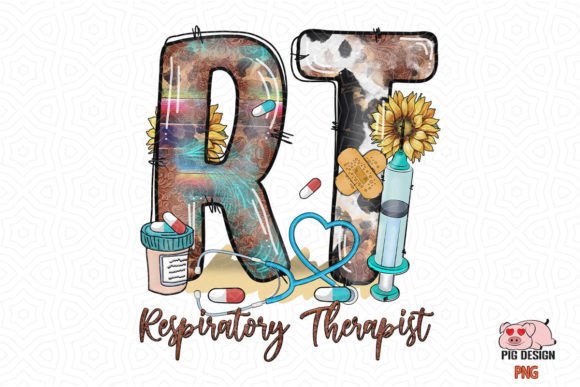
RT Respiratory Therapist Sublimation SVG
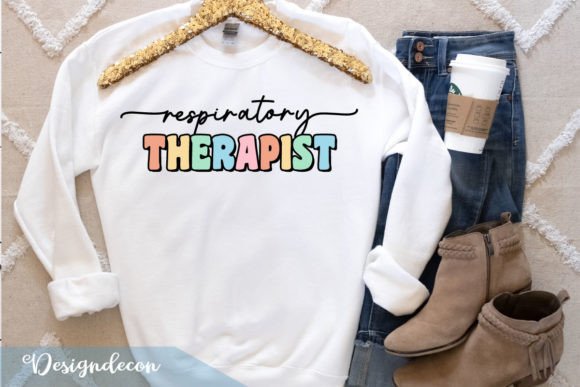
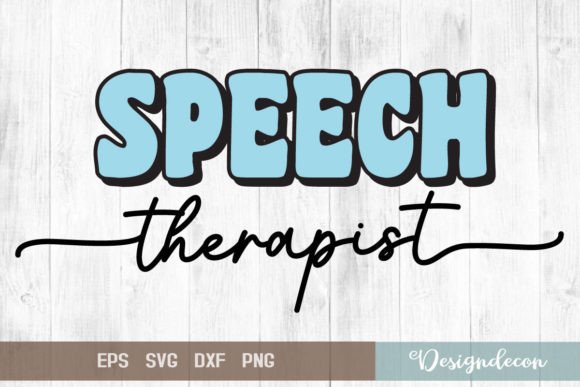
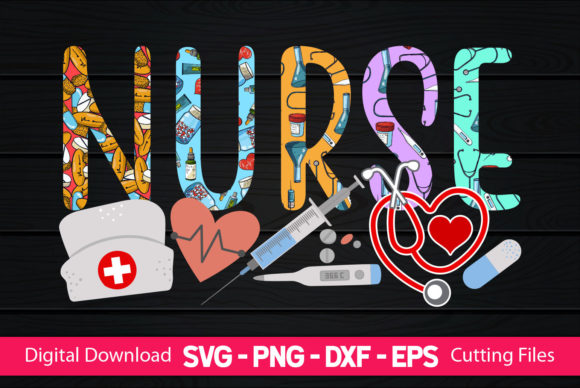
When I first opened the RT Respiratory Therapist Sublimation SVG, I immediately recognized it as a design with a clear, heartfelt identity. This isn’t just another generic medical graphic. It carries a dual personality: part professional pride, part warm, personal sentiment. The combination of “RT,” “Respiratory Therapist,” and touches like “Blessed Nurse” or “Christmas Nurse” gives it a flexibility that’s rare in niche digital downloads. As someone who regularly tests designs for embroidery projects, I see a lot of potential here—but also a few practical realities every stitcher, small business owner, or Etsy seller should consider before pressing “start” on the machine.
My job is to look beyond the preview image and imagine how a design will actually behave on fabric, under thread, and in the hands of a customer. I’ve stitched enough failed samples to know that a pretty screen mockup doesn’t always translate to a clean, professional finished product. So let’s walk through what this SVG offers, how it might perform in real embroidery situations, and where you’ll need to exercise a little careful judgment.
First Impressions: Mood, Shape, and Visual Personality
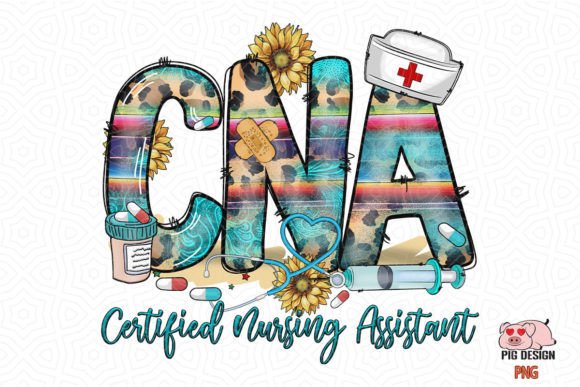
The design immediately strikes a balance between bold statement and heartfelt charm. The typography usually carries a strong, slightly western or script-like flair, which gives it a handmade boutique feel. When I think about this on a canvas tote bag or a cozy sweatshirt, it already feels like something a respiratory therapist would be proud to carry or wear. The “Nurse Life” and “Western Nurse” variations add a trendy, lifestyle-oriented twist that appeals to modern healthcare professionals. The “Christmas Nurse” version is a smart seasonal addition—perfect for limited-edition holiday projects.
From an embroidery perspective, the shape and layout matter. The design’s composition—likely a mix of text and decorative elements—needs to be evaluated for stitchability. Are there tiny serifs, thin connecting lines, or enclosed areas that could close up under dense thread? In my experience, designs with moderate detail and a clear central focal point tend to produce the cleanest embroidery outcomes. This SVG, depending on the exact variant, appears to have that balance, though I’d want to test the smallest text elements on scrap fabric before committing to a final project.
Where This Design Truly Shines in Real Embroidery Projects
I could easily see this design becoming a go-to for personalized gifts, small shop merchandise, and custom apparel. A few projects immediately come to mind:
- Hoodies and sweatshirts: The relaxed, slightly rustic vibe of the Western Nurse version would look fantastic stitched across the back of a crewneck, or as a left-chest placement on a zip-up.
- Canvas tote bags: A simple, sturdy tote with this design in a contrasting thread color becomes a practical, emotional gift for a graduating respiratory therapist.
- Pillow covers and nursery decor: The Blessed Nurse variant has a soft, grateful tone that suits a decorative pillow for a nurse’s home or a meaningful piece of wall art if framed in a hoop.
- Holiday ornaments or tea towels: The Christmas Nurse version is perfect for a seasonal kitchen towel or a small embroidered patch that can be sewn onto a stocking or apron.
For Etsy sellers and craft fair vendors, this design holds strong commercial appeal. Buyers are often looking for profession-specific gifts that feel personal and handmade. A well-stitched version of this SVG on a quality garment can command a premium price because it speaks directly to a defined audience.
Thinking Like a Stitcher: Practical Embroidery Considerations
Before you load this onto your machine, there are a few technical checkpoints you can’t afford to skip. The fact that this is a sublimation SVG means it’s not an embroidery file—it’s a graphic. You’ll need to digitize it yourself or use it as a base for creating an applique or satin stitch design. If you’re not comfortable with digitizing, you might want to commission a digitizer or look for a pre-digitized embroidery file. That step alone can make or break the outcome.
Once digitized, pay attention to:
- Stitch density: Too dense, and you’ll get puckering on lightweight fabrics. Too sparse, and the design looks cheap. Test on a similar fabric weight first.
- Small lettering: If the SVG contains tiny script words, they may need to be enlarged or simplified. On a cap or curved surface, tiny text can become illegible after stitching.
- Hoop size: Measure the design’s longest dimension. A common mistake is assuming a 4x4 hoop will fit; the actual stitchable area is smaller. Always check the required hoop size before starting.
- Thread color contrast: The design preview might show soft pastels, but on dark fabric, those colors can disappear. Test a black-and-white version of the design to see if the silhouette still reads clearly.
Fabric and Stabilizer: The Invisible Foundation
I can’t stress enough how much stabilizer choice affects the final look of a design like this. For sweatshirts and stretchy knits, a cutaway stabilizer is non-negotiable. The dense areas of the design—especially if you digitized it with satin stitch borders—will pull and distort without proper support. For tote bags or canvas, a tear-away stabilizer works well, but always add a topper if the fabric has a nap or texture. Those tiny details you love on screen can sink into plush fabric and vanish.
If you’re stitching on a dark garment, consider a light-colored underlay or a water-soluble topper to prevent the fabric from showing through the stitches. This is a small step that dramatically improves professionalism.
The Customer’s Perspective: What Makes a Design Giftable
When a customer buys a handmade product featuring this design, they’re not just buying a shirt; they’re buying recognition. Respiratory therapists often work in the background of healthcare, and a design that celebrates their specific role feels personal and thoughtful. The “Blessed Nurse” or “Christmas Nurse” variations add an emotional layer that turns a simple item into a keepsake. From a seller’s viewpoint, this emotional hook is what drives repeat purchases and word-of-mouth referrals.
However, presentation matters. A poorly stitched design—crooked lettering, thread breaks, puckered fabric—undermines that emotional value. I always recommend photographing your finished piece in natural light, showing the stitch texture up close. That kind of honest, detailed preview builds buyer trust and reduces returns.
Small Details, Big Impact: Where to Use Caution
If you’re working with a small hoop—say, a 4x4—be prepared to simplify. The SVG might include decorative flourishes that are charming on a screen but clutter the embroidery field. In my studio, I sometimes remove the smallest elements or replace them with a simple running stitch outline to keep the design readable. This is especially true for baby onesies or infant apparel, where the design needs to be soft and the stitch count low to avoid irritating delicate skin.
Caps and curved surfaces present another challenge. The design’s horizontal layout might need to be adjusted to fit the arc of a hat brim. If you’re digitizing for a cap, center the main text and keep the design under 2.25 inches tall for the best results.
Frequent washing is another factor. A design intended for a work tote or a kitchen towel will see a lot of wear. Use polyester thread for durability, and make sure your digitizing has proper underlay stitches to lock everything in place. A quick wash test on a sample will reveal any weak spots before you sell a single item.
From Digital File to Finished Product: A Real-World Scenario
Let me walk you through a recent test I did with a similar profession-themed SVG. I was preparing a custom tote bag for a respiratory therapist’s graduation gift. The SVG I used had a similar mix of script and block text. I digitized it with a combination of satin stitch for the main lettering and a light fill stitch for a decorative heart accent. I tested it on medium-weight cotton canvas with a tear-away stabilizer and a water-soluble topper. The first sample revealed that the script’s thin upstrokes were too narrow and got lost in the fabric texture. I went back, thickened those strokes by 0.5mm, and the second test was exactly what I wanted: crisp, professional, and gift-ready.
That’s the kind of iterative process I’d recommend for this RT Respiratory Therapist Sublimation SVG. It’s not a design you can just hit “stitch” on and hope for the best. But with a little patience, the payoff is a product that looks polished and sells itself.
Licensing and Commercial Use: A Quick Note
Since this is a digital download, you need to confirm the license terms before using it on products you plan to sell. Many SVG files are sold for personal use only, while others allow commercial use with limits on quantity or type of product. If you’re an Etsy seller or a small shop owner, check whether the license covers physical finished items, digital resale, or both. This is a step that’s easy to overlook in the excitement of a new design, but it’s critical for protecting your business.
Final Thoughts: Is This Design Worth Your Embroidery Time?
From a designer’s perspective, the RT Respiratory Therapist Sublimation SVG offers strong emotional appeal, a clear niche, and a versatile set of variations that fit multiple seasons and gifting occasions. It’s not a plug-and-play embroidery file, so you’ll need digitizing skills or a trusted digitizing partner. But the underlying design is solid, and the theme is one that resonates deeply with a dedicated audience of healthcare professionals.
If you’re willing to do the testing, refine the small details, and pair it with quality materials, this design can become a reliable seller in your craft business lineup. It’s the kind of graphic that makes a handmade product feel intentional, personal, and worth every stitch.